How to choose UV-resistant elastic waterproofing that will work for years outdoors: what should you pay attention to?
Not all waterproofing materials perform equally well in the sun. One of the most common mistakes when choosing waterproofing is to look only at the price or type of material. In fact, the first question should be something completely different:
Where will the waterproofing work?
If the material is constantly exposed to sunlight, not every waterproofing is suitable for such conditions. Many waterproofing coatings work perfectly under the coating, but under the influence of ultraviolet rays gradually lose their properties.
Therefore, for open structures - terraces, balconies, roofs, metal canopies, wooden decks and other surfaces exposed to the sun - only UV-resistant and elastic materials should be considered.
Let's consider the main types of ultraviolet-resistant waterproofing for various operating conditions, namely:
In what cases and under what operating conditions should one choose one or another waterproofing material?
Not all UV-resistant materials are the same. Once you have decided that you need UV-resistant waterproofing, you need to ask a second question:
What base will the material be applied to?
This is where the main differences between different types of waterproofing begin.
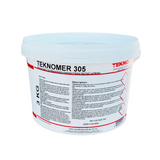
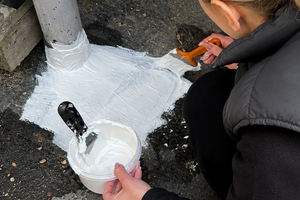
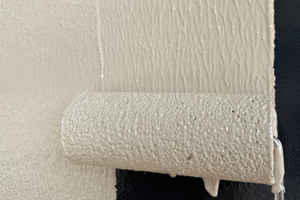
Acrylic waterproofing Teknomer 300 (Teknomer 305, or Teknomer 300 EX) - when an elastic seamless membrane is needed
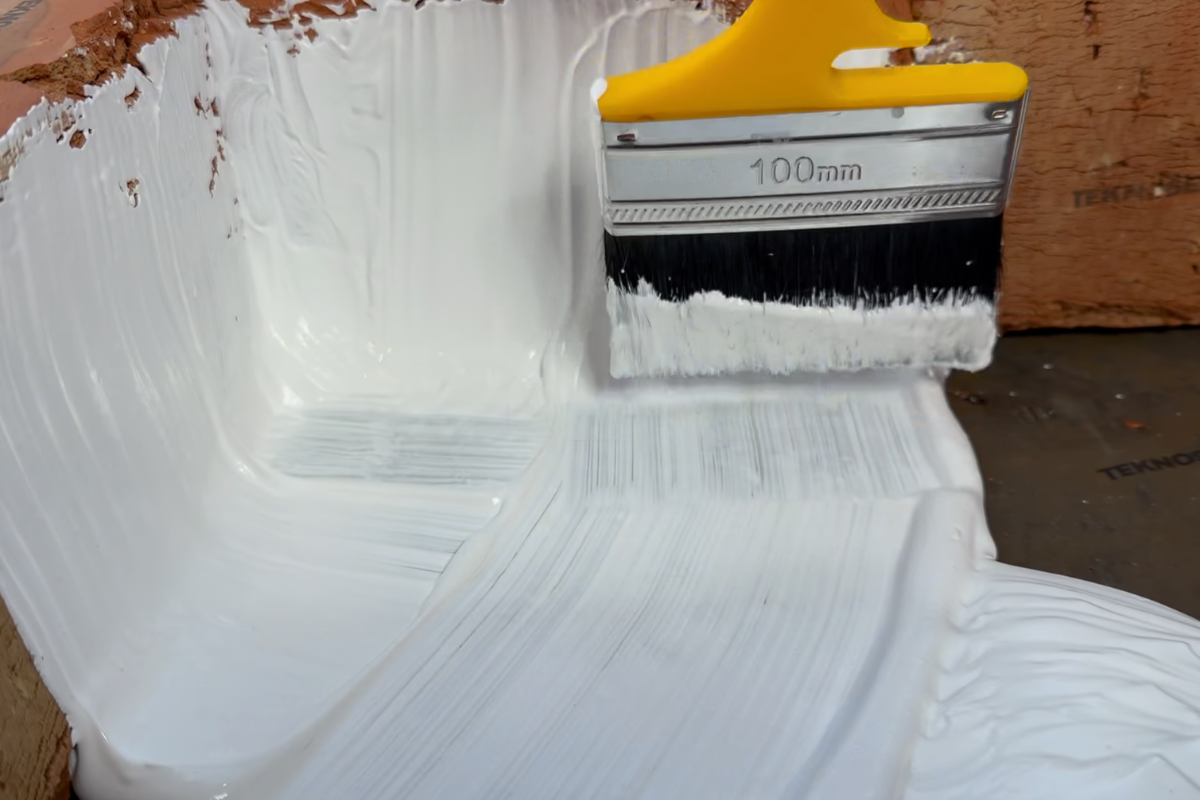 Teknomer 300 is a UV-resistant acrylic waterproofing that works well on mineral substrates (concrete, plaster, aerated concrete, brick, galvanized metal), and is also suitable for wood and metal, plasterboard and OSB boards.
Most often used on:
After drying, the material forms a continuous seamless membrane that effectively protects the base from water penetration and atmospheric moisture. Due to its high elasticity, the coating is able to compensate for minor deformations of the base that occur due to thermal expansion, shrinkage or operational loads. This reduces the risk of cracks in the waterproofing layer and extends the service life of the structure.
One of the key advantages of Teknomer 300 is its resistance to ultraviolet radiation. Unlike many waterproofing materials that require additional protective coating, the acrylic membrane can be used in open areas without losing its properties. That is why the material is often used on operated and non-operated roofs, open balconies, terraces and other structures that are constantly exposed to the environment.
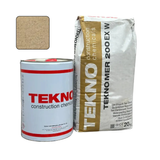
Teknomer 200 EX-W: solution for terraces, balconies, swimming pools and roofs where the base works under loads
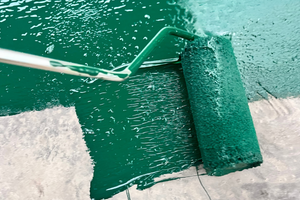
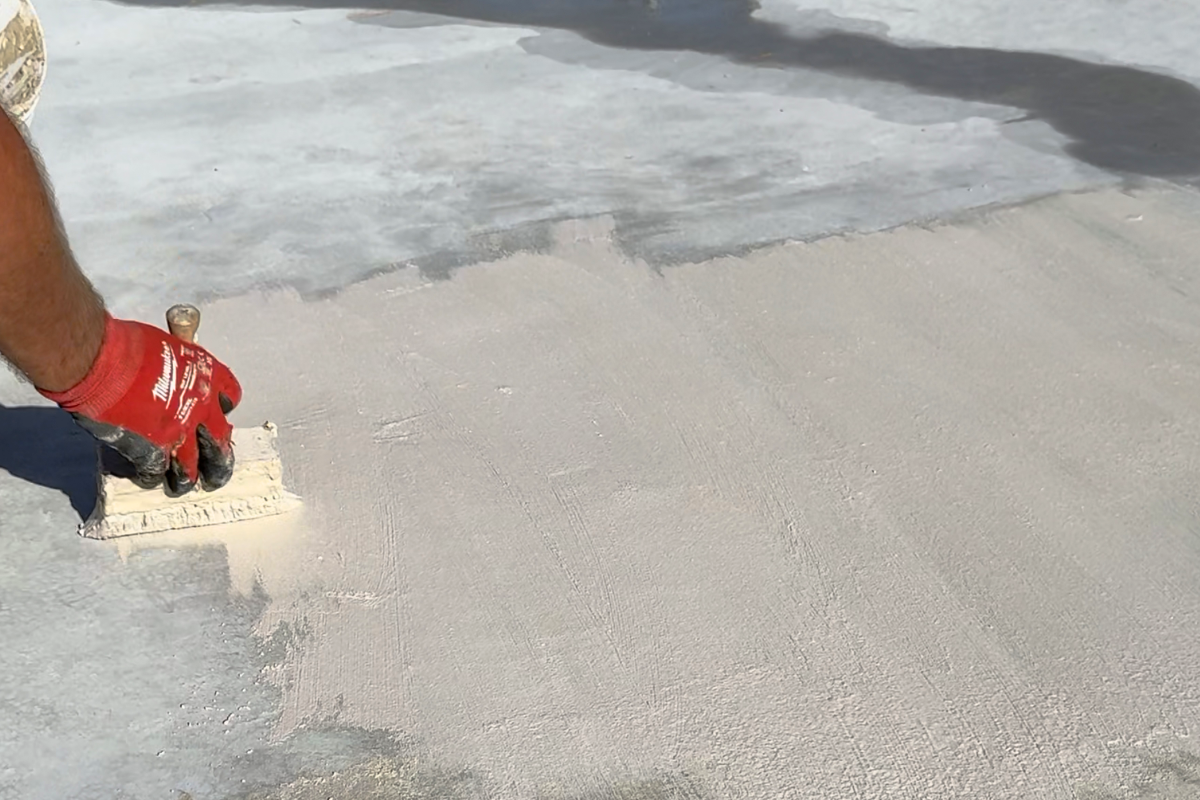 Teknomer 200 EX-W is an elastic two-component polymer-cement waterproofing for concrete and cement substrates that may experience minor movements, thermal expansions and shrinkage deformations during operation.
After application, the material forms a seamless waterproof layer that can bridge small cracks in the base and maintain protective properties even in conditions of constant contact with moisture.
Teknomer 200 EX-W waterproofing works on positive water pressure and is widely used to protect:
Teknomer 200 EX-W is especially relevant for open structures that are simultaneously exposed to precipitation, temperature changes and natural deformations of the base.
Thanks to the combination of cement strength and polymer elasticity, the material reliably adheres to mineral surfaces and works together with the structure without losing the integrity of the waterproofing layer.
If the object consists entirely of mineral materials, the Teknomer 200 EX-W polymer cement system is often one of the most effective solutions.
The material demonstrates high adhesion to concrete and cement substrates - at least 1 N/mm² , which ensures reliable adhesion of the waterproofing to the surface and long-lasting protection of the structure from water penetration.
Teknomer 700 — super-elastic seamless membrane for waterproofing and sealing complex joints, repairing and filling seams and cracks on various types of surfaces
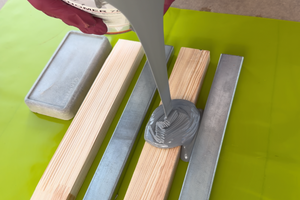
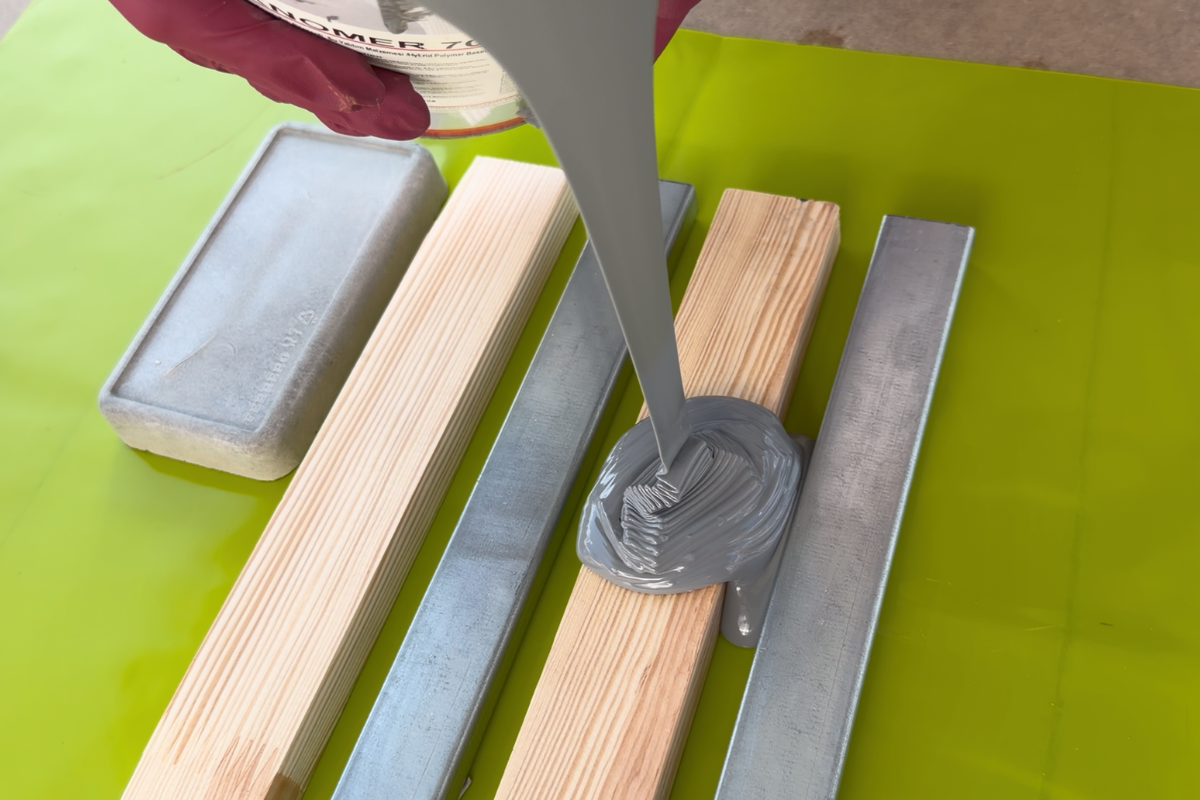 Teknomer 700 is an MS-polymer (hybrid) membrane designed for sites where classic cementitious or acrylic systems may be limited by surface type.
The material demonstrates high adhesion to:
That is why Teknomer 700 waterproofing is often used at complex junctions where different building materials come into contact.
For example, on the terrace there can be simultaneously:
In such cases, the main task is to ensure reliable adhesion to all surfaces. This is where Teknomer 700 demonstrates its strongest points and does not lose elasticity after polymerization and complete drying.
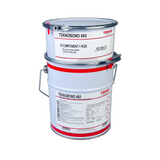
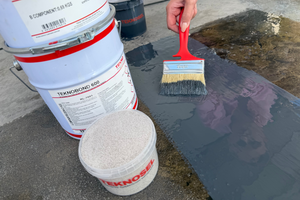
Teknobond 660 - when you need to protect the surface and not hide it
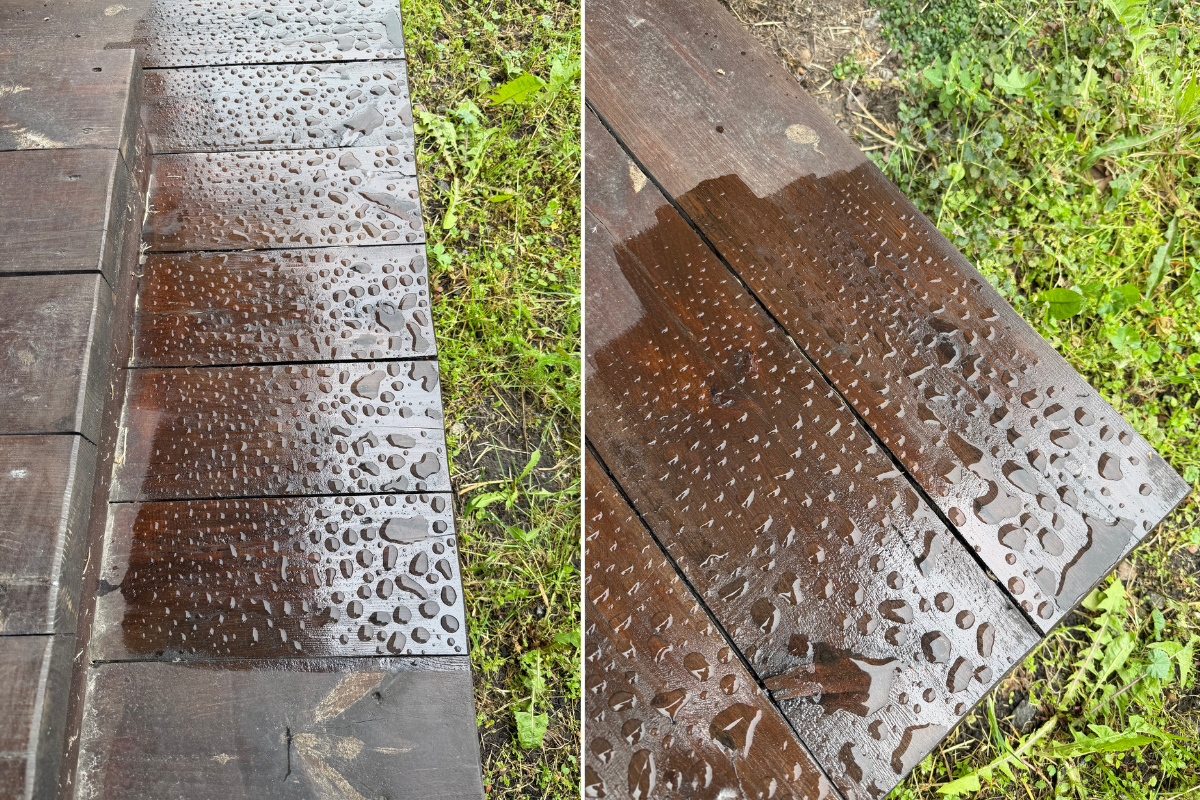 Sometimes the owner does not want to cover the decorative coating with an opaque membrane.
Especially when it comes to:
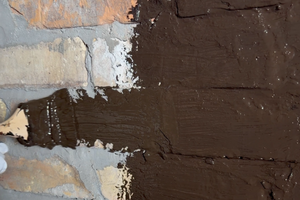
In such cases, Teknobond 660 is used - a transparent polyurethane waterproofing.
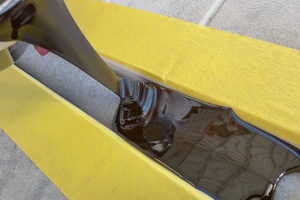
After application, the material creates a transparent waterproof layer that:
That is why Teknobond 660 transparent polyurethane waterproofing is often used where aesthetics are no less important than protection against water.
Among UV-resistant waterproofing, there is no “best for all cases”. There is a material that is best suited to your base and operating conditions. Therefore, the right choice does not start with the color, price or type of membrane, but with a simple question:
What surface will the waterproofing be applied to and how firmly should it adhere to it?
It is adhesion and tear strength that most often determine whether waterproofing will last 2 years or 20 years.