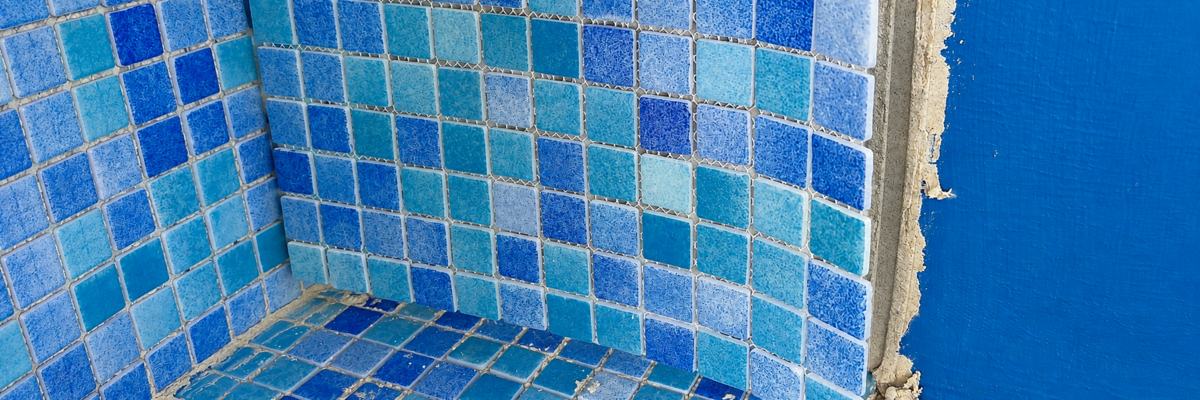
Tiles themselves are not a complete protection against water and moisture. Even if the ceramic coating is waterproof, moisture can still penetrate through seams, joints, corners and microcracks. Over time, this leads to peeling of the tiles, the appearance of fungus, destruction of the screed or leakage to the floors below.
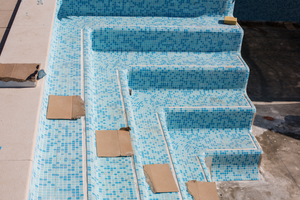
That is why it is important to properly waterproof the base before laying tiles. This is especially important for bathrooms, showers, balconies, terraces, swimming pools and tanks.
Why is waterproofing under tiles needed?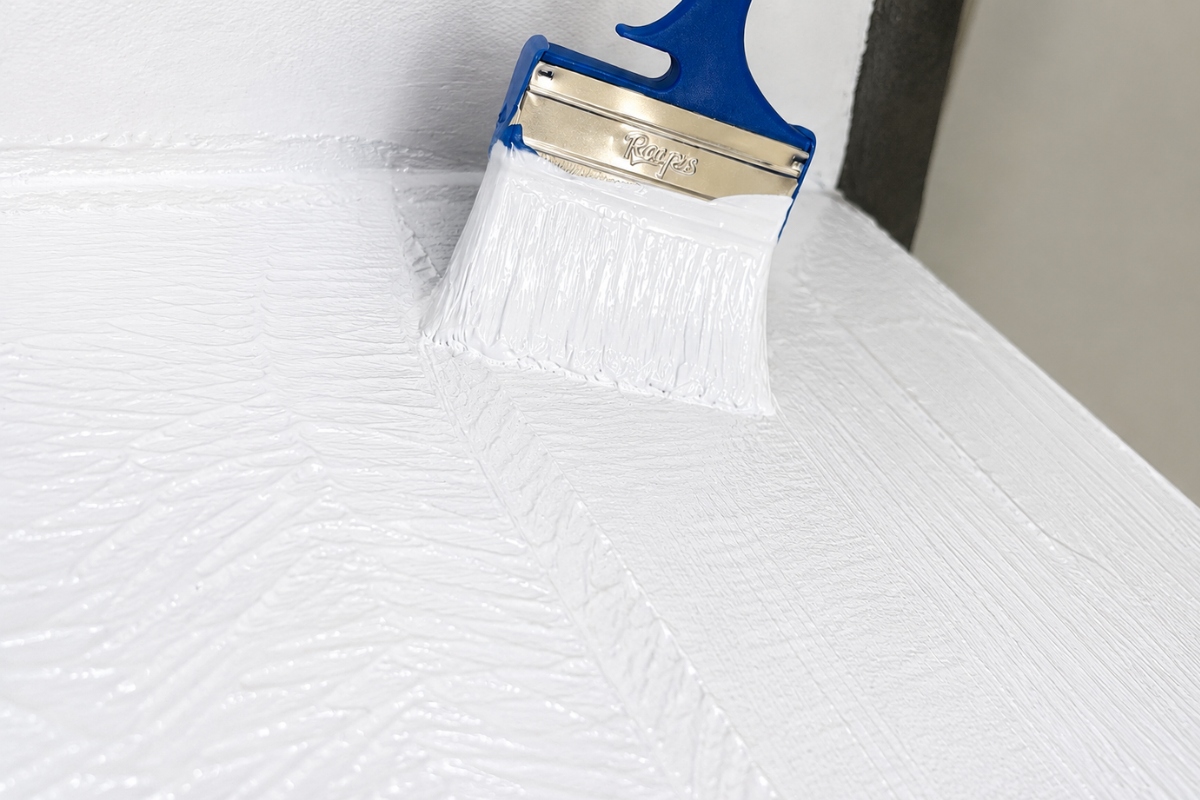
The main task of waterproofing is to create a continuous waterproof layer between the base and the cladding.
Properly performed waterproofing:
-
protects concrete and screed from water penetration;
-
prevents moisture from appearing under the tiles;
-
reduces the risk of tile peeling;
-
protects the structure from freeze-thaw cycles;
-
extends the service life of the cladding.
For rooms with constant contact with water, such as showers and swimming pools, this layer is a mandatory part of the system.
Which waterproofing under tiles is best?
When choosing a material for waterproofing under tiles, you should pay attention to several important properties.
Waterproofness
The material should form a continuous membrane without pores or gaps. It is this that prevents water from penetrating the base.
Elasticity
The base may slightly deform due to temperature changes or shrinkage. If the waterproofing is too rigid, it may crack.
For balconies, terraces and swimming pools, it is especially important to use elastic materials that can compensate for such movements.
Good adhesion
The waterproofing must adhere securely to the concrete, cement or plastered surface, and the tile adhesive must adhere well on top of it.
Compatibility with tile adhesive
Not every mastic can be tiled. The material must be designed for subsequent application of tile adhesive.
Resistance to operating conditions
Moisture resistance is sufficient for a bathroom. Frost resistance and UV resistance are also important for a balcony or terrace, if part of the surface remains exposed.
What types of waterproofing are used under tiles?
Three main types of materials are most commonly used.
|
Type of waterproofing |
Where is it used? |
|
Cement |
Bathtubs, showers, swimming pools |
|
Polymer-cement |
Balconies, terraces, pools |
|
Acrylic elastic mastic |
Bathrooms, balconies, terraces, tanks |
Acrylic sealants are popular because they are easy to apply and ready to use.
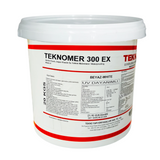
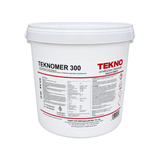
One of the materials of this type is Teknomer 300 , a water-based acrylic waterproofing mastic.
It is used for waterproofing:
-
bathrooms;
-
showers;
-
balconies;
-
terrace;
-
swimming pools;
-
tanks.
After drying, the material forms a continuous waterproof elastic membrane with an elongation of up to 300%. This elasticity helps to compensate for deformations of the substrate.
How to properly apply waterproofing under tiles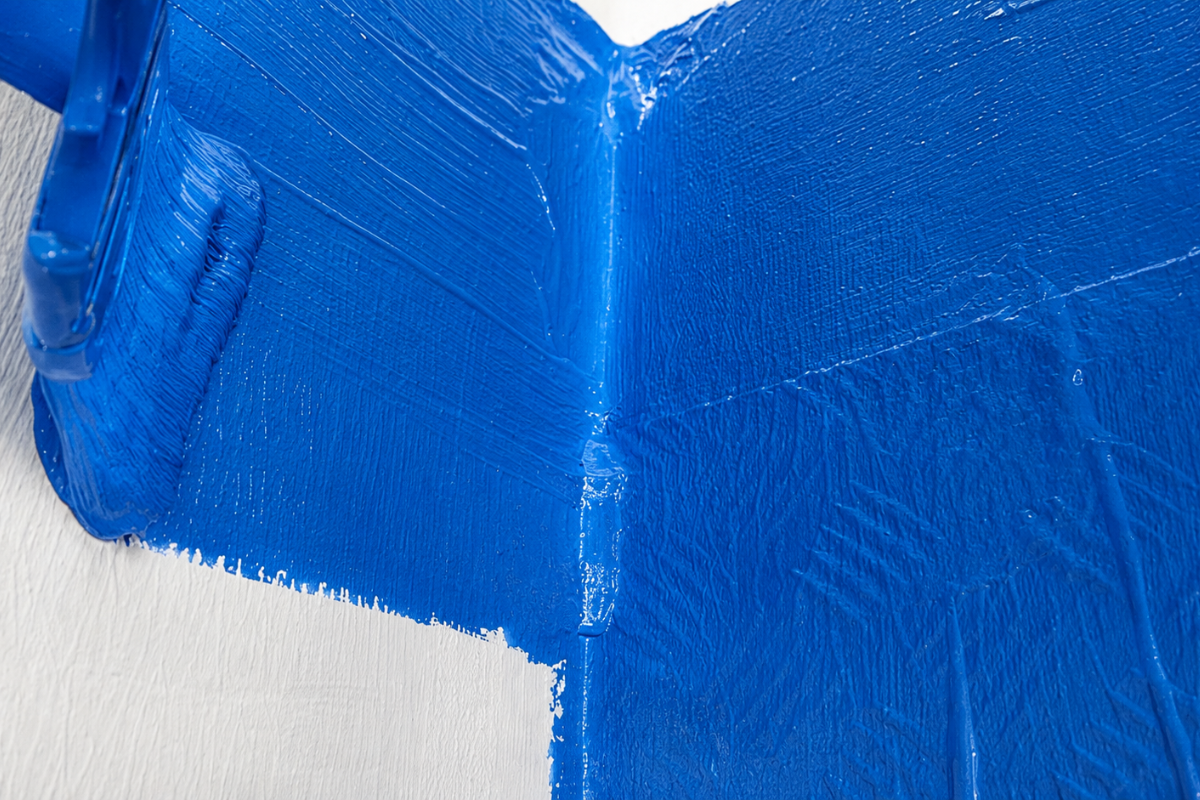
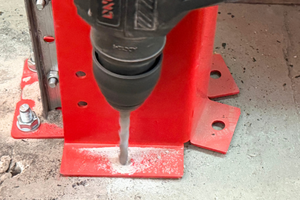
The quality of the result largely depends on surface preparation.
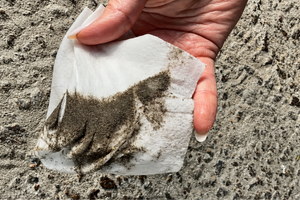
1. Preparing the base
The basis should be:
-
strong;
-
clean;
-
dust-free;
-
without peeling;
-
without residual oils or other contaminants.
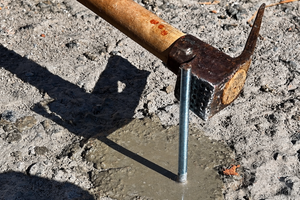
Large cracks and defects must be repaired first.
2. Sealing corners and joints
It is the junction of walls with the floor, internal corners, expansion joints and pipe passages that most often become the source of leaks.
Therefore, sealing tape is used in these areas. It is placed in the first layer of waterproofing and completely covered by the next layer.
This stage should not be skipped even in a small bathroom.
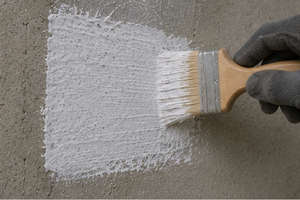
3. Applying mastic
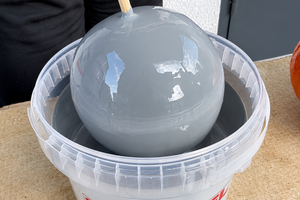
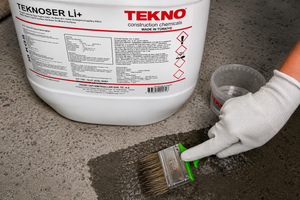
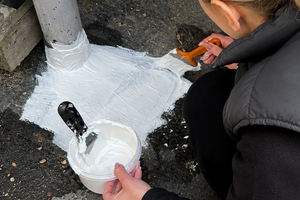
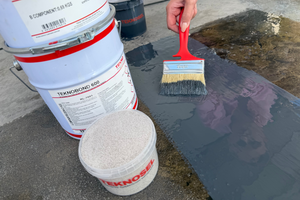
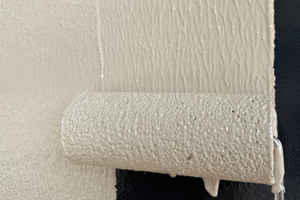
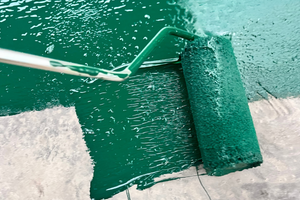
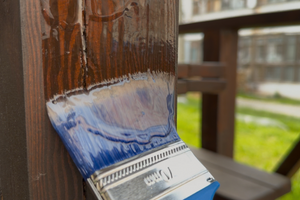
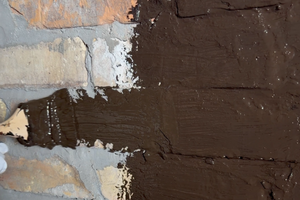
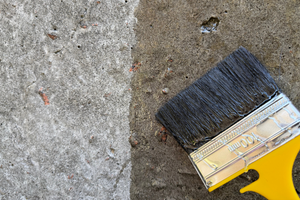
Waterproofing is applied with a brush or roller in an even layer.
For Teknomer 300, it is recommended to apply two coats with an interval of approximately 5 hours between applications.
The approximate consumption is about 1.5 kg/m², depending on the condition and absorption of the substrate.
After drying, a continuous elastic membrane is formed, on top of which tiles can be laid.
Can I leave the waterproofing exposed?
Depends on the specific material.
Most waterproofing under tiles must be covered with cladding, as they are not designed to be exposed to sunlight.
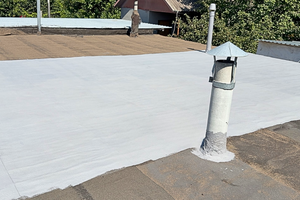
There are also materials that are resistant to ultraviolet and frost. For example, Teknomer 300 can be used not only under tiles, but also on surfaces where the waterproofing layer remains exposed, in particular on individual roofing or technical surfaces.
Another feature of acrylic mastics is the possibility of tinting. If necessary, acrylic dye can be added to the white material and the desired shade of the surface can be obtained.
When can you glue tiles after waterproofing? 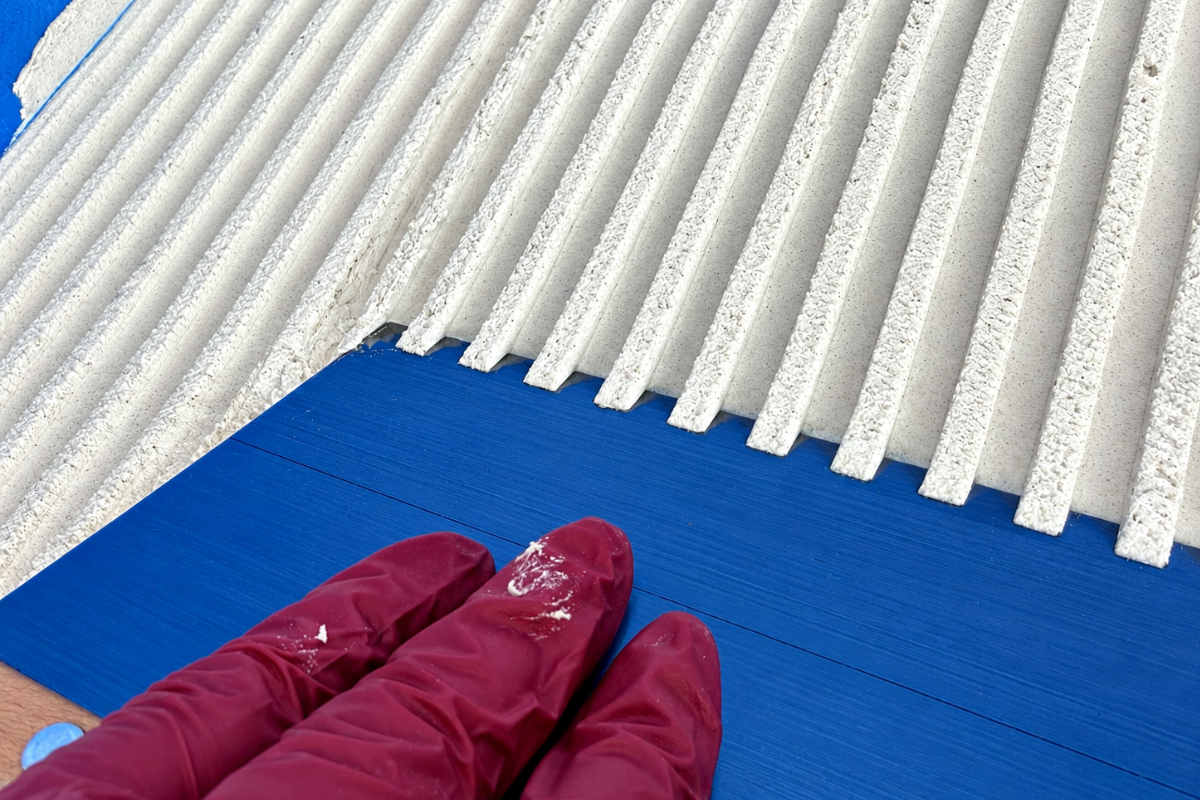
Tiles are laid only after the waterproofing layer has completely dried and formed a continuous membrane.
Do not rush with the cladding: if you apply tile adhesive to mastic that has not yet dried, it may deteriorate the properties of the entire system.
Before starting work, you should always adhere to the drying time specified by the manufacturer of the specific material.
Typical mistakes when waterproofing under tiles
Most often, problems arise due to improper performance of work.
Common mistakes include:
-
applying only one thin layer;
-
lack of sealing tape in the corners;
-
application on a dusty base;
-
gaps near pipes and ladders;
-
laying tiles until the waterproofing is completely dry;
-
using material that is not intended for tiling.
Even high-quality material will not provide reliable protection if the application technology is violated.
How to choose waterproofing under tiles
For a regular bathroom, waterproofing and good adhesion are important.
For a shower room, it is advisable to choose an elastic material and be sure to seal all joints.
For a balcony or terrace, in addition to elasticity, frost resistance is required, since the surface operates in conditions of temperature changes.
For a swimming pool, waterproofing must withstand constant contact with water and form a continuous waterproof layer.
Therefore, there is no universal material for all cases - the choice depends on the operating conditions. However, elastic acrylic mastics, such as Teknomer 300 , are a convenient solution for many household and construction tasks, as they combine ease of application, elasticity and the possibility of subsequent tiling.
Properly selected waterproofing and adherence to application technology help avoid leaks, tile peeling, and premature repairs, and the tile itself lasts much longer.