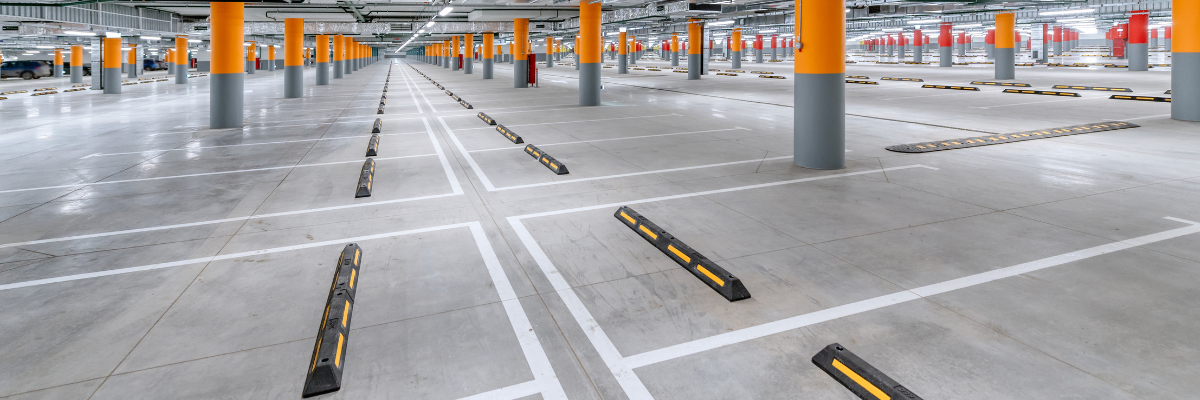
A modern parking lot is a complex engineering structure, the floor of which is subjected to significant mechanical loads, abrasion and temperature deformations every day. In order for the concrete coating to maintain its strength, not to collapse under the influence of traffic and to remain safe for a long time, it is important to choose the right materials and follow the technology of work.
How to make a concrete floor in a parking lot strong and durable? A comprehensive solution involves strengthening the surface with topping, protecting freshly laid concrete from premature moisture loss, timely cutting and sealing of temperature joints, and installing appropriate expansion joint profiles .
Let's consider the main stages of installing a concrete floor in a parking lot, the features of choosing materials, and technological recommendations for reliable operation of the coating.
1. Strengthening a concrete floor in a parking lot: quartz or corundum topping?
One of the important steps in installing industrial floors is strengthening the top layer of concrete with dry reinforcing compounds called toppings. These are rubbed into freshly laid concrete to increase surface strength, wear resistance, and abrasion resistance.
The choice of topping depends on the intensity of traffic, expected loads and requirements for the durability of the coating.
Teknoser 100 quartz topping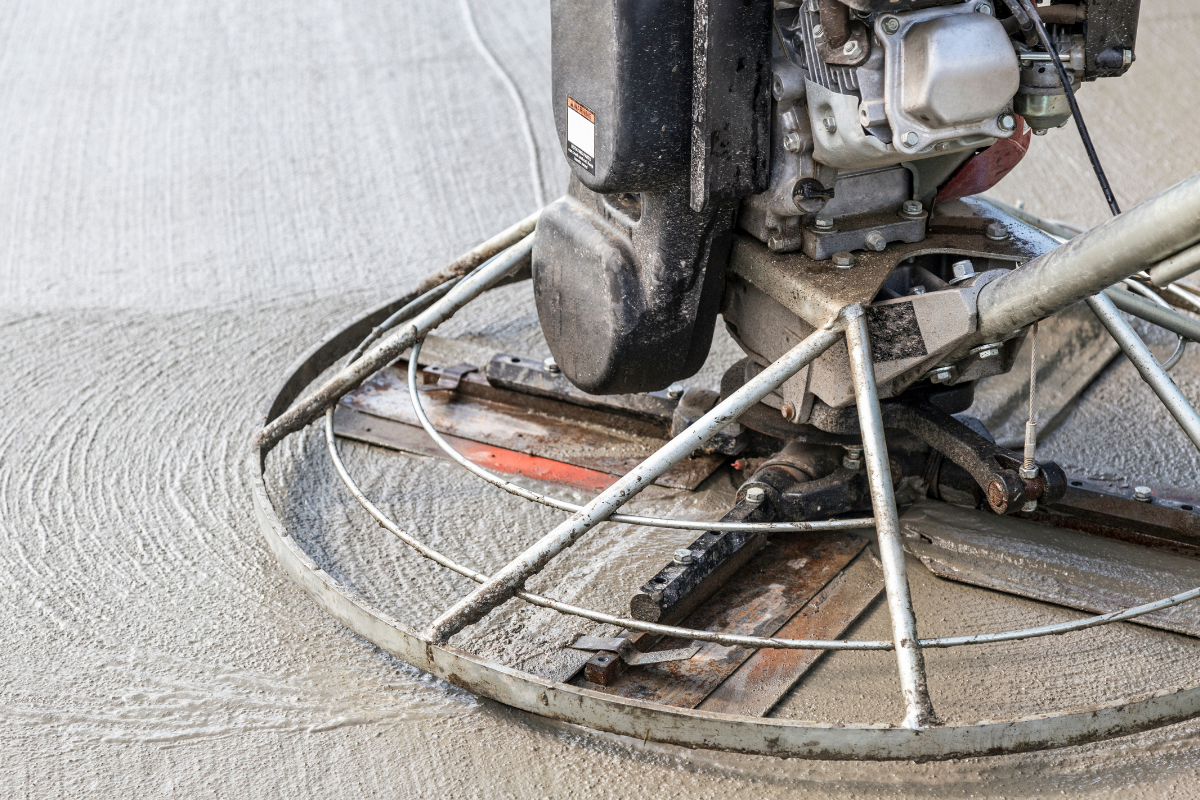
Teknoser 100 is a quartz topping for strengthening concrete floors. It is advisable to consider it for parking lots with moderate traffic load, where it is necessary to increase the resistance of the concrete surface to abrasion and mechanical wear.
Quartz topping helps form a stronger top layer of concrete compared to an unreinforced surface, provided it is applied correctly and concrete care technology is followed.
Teknoser 300 corundum topping
Teknoser 300 is a corundum topping for concrete floors exposed to high mechanical loads. It is suitable for industrial parking lots, multi-level parking lots and other facilities with heavy traffic.
Thanks to the use of corundum, this material provides increased surface resistance to abrasion. It should be considered for facilities where increased wear resistance requirements are placed on the concrete floor.
When choosing between Teknoser 100 and Teknoser 300 , it is necessary to take into account not only the type of aggregate, but also the design loads, concrete characteristics, material consumption and operating conditions. Specific indicators of strength and wear resistance should be checked against the manufacturer's technical documentation.
2. Technology for applying topping to a concrete floor
Topping is applied during the installation of the concrete screed, while the concrete is in the appropriate technological condition. The correct choice of the moment of application directly affects the quality of the reinforced layer.
Main recommendations for performing the work:
Applying topping to already hardened and dry concrete is not a standard technology for dry strengthening mixtures. If the concrete floor is already in use, another solution must be selected to strengthen or restore the surface according to its condition.
3. Protection of fresh concrete from drying out: Teknokur 100
After applying the topping, it is important to ensure proper curing conditions for the concrete floor. Premature evaporation of water can cause plastic shrinkage, the formation of surface cracks and deterioration of the top layer characteristics.
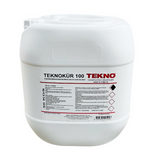
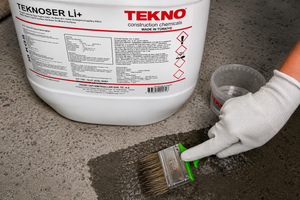
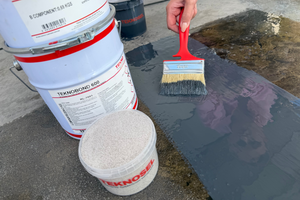
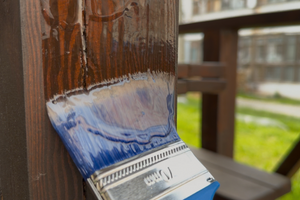
To care for freshly laid concrete, it is recommended to use Teknokur 100 , an acrylic membrane-forming varnish that forms a film on the surface and reduces moisture loss during hardening.
The main tasks of such processing are: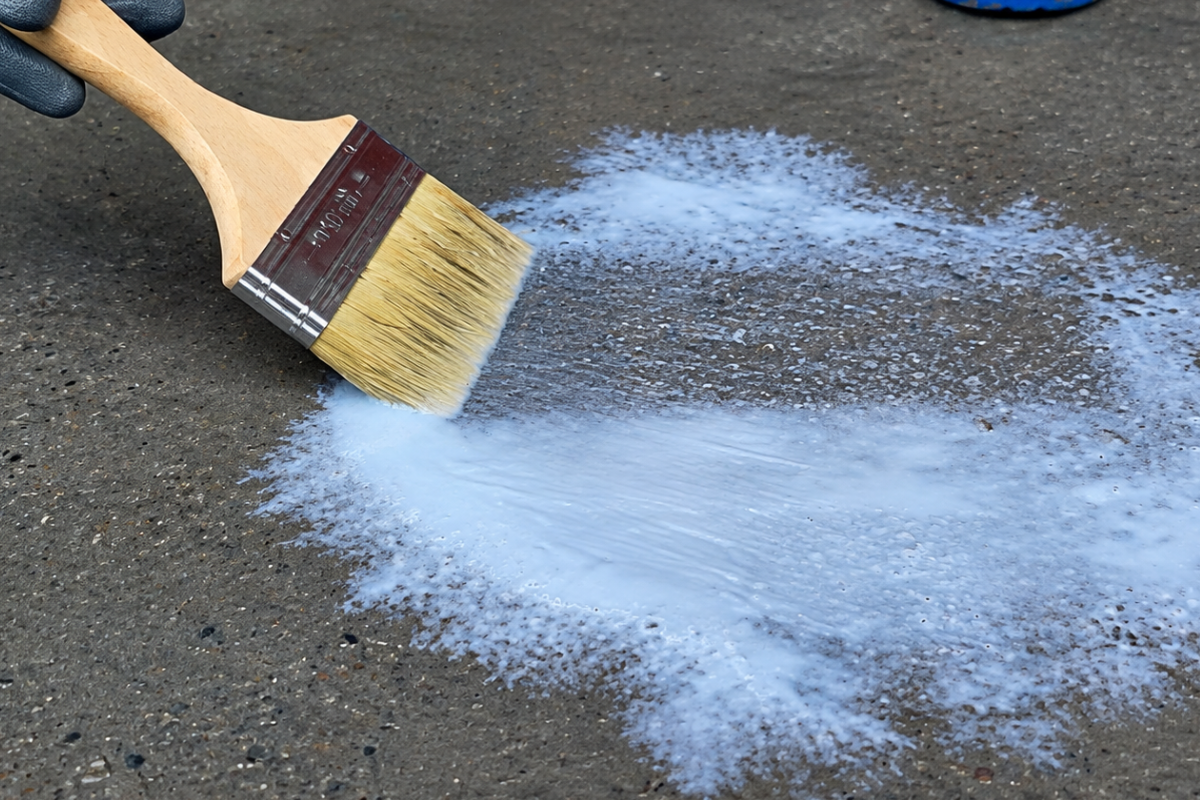
Teknokur 100 is applied according to the manufacturer's instructions, taking into account compatibility with subsequent coatings, if they are provided for in the project.
It is important to understand that a membrane-forming agent does not eliminate all causes of cracks. The result is also affected by the composition of the concrete, the water-cement ratio, the thickness of the screed, the temperature regime, the reinforcement and the correct arrangement of the joints.
4. Temperature and shrinkage joints in parking lots: how to prevent chaotic cracking of concrete?
Even properly placed concrete will shrink during hardening and undergo thermal deformation during operation. If the possibility of controlled movement of concrete cards is not provided, random cracks may appear in the coating.
To control shrinkage deformations in a concrete floor, joints are cut. Their location, depth, and timing are determined based on the project, slab thickness, reinforcement, concrete characteristics, and operating conditions.
Basic rules for cutting seams
Depth of cut. For conventional contraction joints, a guideline of about 1/3 of the thickness of the concrete slab is often used. The final value is determined by the design and cutting technology.
Size of concrete maps. Maps of approximately 4 × 4 m or 6 × 6 m can be used as initial guidelines. However, these sizes are not universal: the joint pattern must be determined according to the geometry of the site, slab thickness, loads and design features.
Column areas. Particular attention is paid to areas around columns, corners, pits and other stress concentration points. The joint pattern in such areas should be included in the design to reduce the risk of random cracking.
Timeframe: Joints are cut at an appropriate time after the concrete is placed: late enough not to damage the edges, but before uncontrolled shrinkage cracks occur.
It is important not to confuse shrinkage joints with structural and expansion joints in a building. They serve different purposes and may require different methods of installation and sealing.
5. Sealing concrete floor joints: what materials to choose?
After cutting the seams, it is necessary to choose the right material to fill them. In a parking lot, the sealant must be able to withstand expected deformations, mechanical stress, moisture exposure, temperature fluctuations, and possible contact with automotive fluids.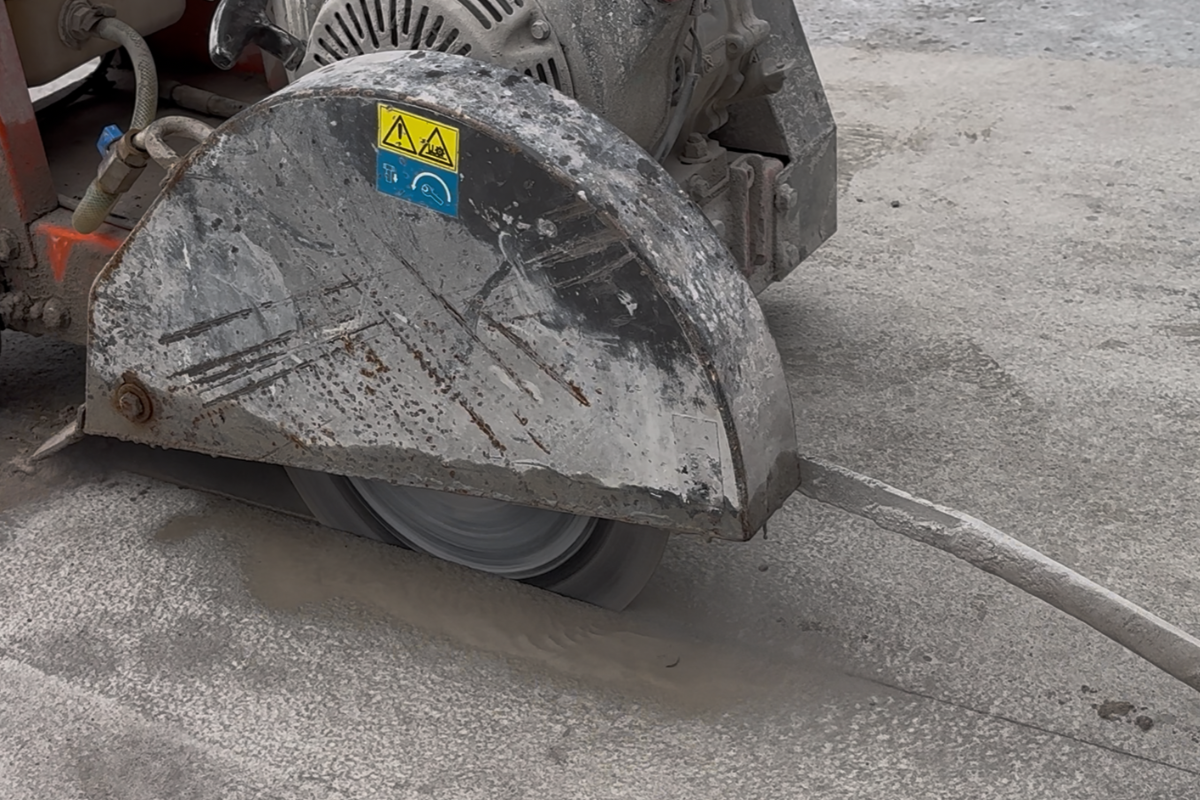
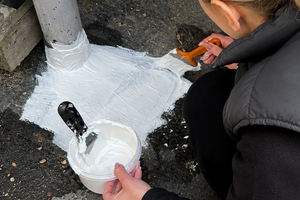
Before sealing, the joint is cleaned of dust, concrete residues and other contaminants. If necessary, a primer is applied, and a sealing cord is installed to adjust the depth of filling.
Polyurethane sealant Teknopoliderz 1K
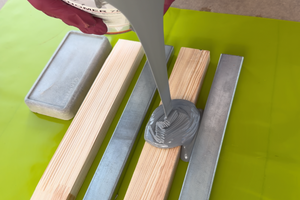
Teknopoliderz 1K is a one-component polyurethane sealant that can be considered for sealing suitable types of joints in concrete floors. The material is available in black, white and grey.
When choosing, you need to take into account the width of the joint, expected deformation, adhesion to the substrate and the resistance of the sealant to the operating conditions of the parking lot.
Teknopoliderz 2K bitumen-polymer sealant
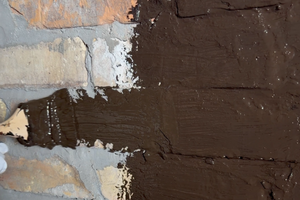
Teknopoliderz 2K is a two-component bitumen-polymer sealant that can be used in sealing systems, provided that it meets the requirements of the specific joint and project.
Before use, it is necessary to check the compatibility of the material with concrete, expected joint movements and conditions of contact with water and operational contaminants.
Thixotropic sealant Teknopoliderz 2K TIX
Teknopoliderz 2K TIX is a thixotropic two-component sealant designed for applications where it is important to maintain the shape of the material on vertical surfaces.
It can be considered for relevant structural components, in particular when sealing vertical sections, if the material characteristics meet the design requirements.
The final choice between sealants depends on the type of joint, its geometry, the nature of deformations and operating conditions. Not every sealant is equally suitable for a moving expansion joint and for a joint where vehicles are constantly moving.
6. Sealing cord and profiles for sealing joints
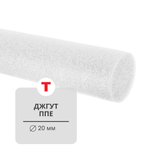
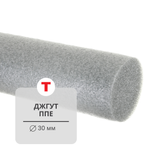
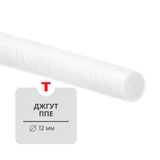
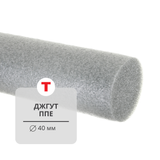
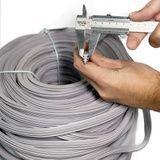
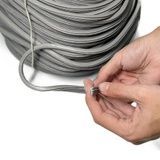
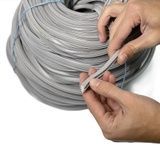
To ensure the correct geometry of the sealant and reduce its unwanted adhesion to the bottom of the joint, a sealing cord is often installed before applying the material.
To do this, you can use:
The sealant helps to form the correct sealant profile, but does not replace sealing by itself and does not provide compensation for structural movements without the appropriate material.
7. Expansion joints in parking lots: how to choose the right profile?
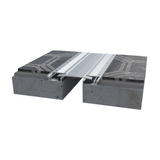
Unlike conventional shrinkage joints, expansion joints are designed to compensate for structural movements. Special profile systems can be used to install them , which protect the edges of the joint, provide the necessary mobility and help maintain the performance characteristics of the coating.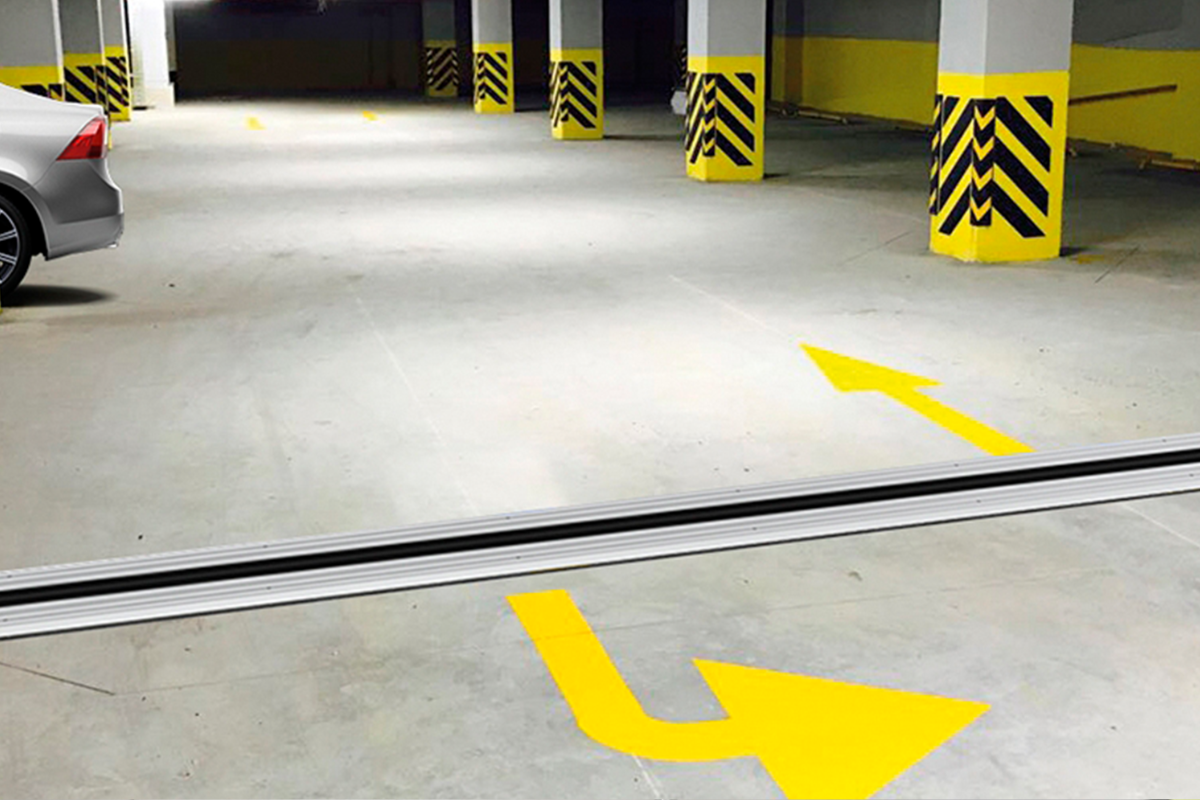
When choosing a profile, it is important to consider:
What profiles for expansion joints are available?
For arranging parking lots, you can choose different profile designs:
Profiles can vary in width, height, design and permissible movements. Therefore, choosing them only by appearance or dimensions is not enough: it is necessary to check the technical characteristics and compliance with a specific node.
Special solutions are also provided for bridge expansion joints, which are selected taking into account significant traffic loads, traffic intensity, and the nature of structural movements.
8. Parking bumpers: how to protect columns, walls and cars?
During the operation of a parking lot, concrete columns, walls, corners and other structural elements are constantly at risk of mechanical damage. Careless parking, maneuvering in a confined space and accidental collisions of cars can lead to chipping of concrete, damage to the finish and destruction of protective coatings.
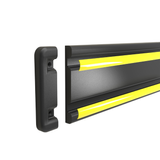
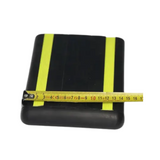
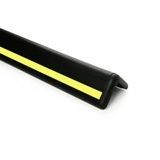
To reduce the risk of such damage, the installation of protective bumpers and traffic limiters is included in the design of underground and multi-level parking lots . They help protect building structures, organize parking spaces, and make vehicle movement safer.
What kind of bumpers are used in parking lots?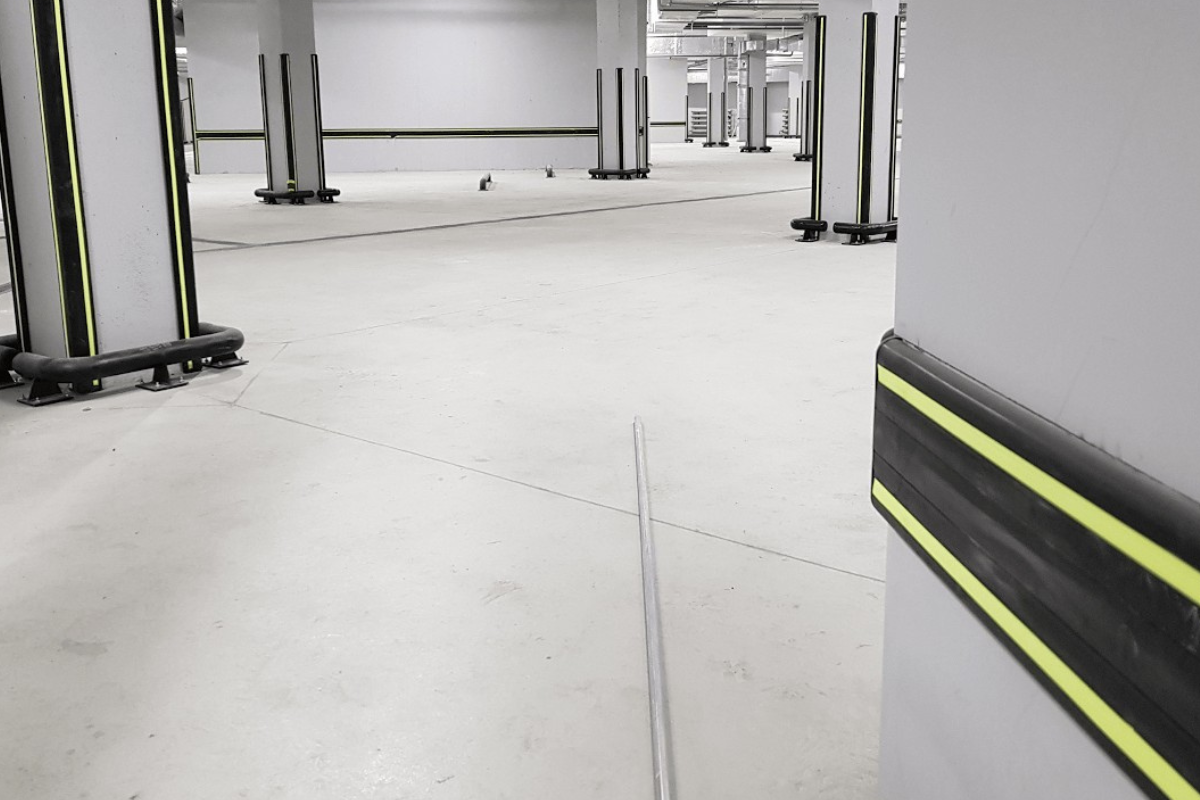
The choice of protective elements depends on the location, traffic intensity, likely impact loads and the design of the object.
What should you pay attention to when choosing bumpers?
When designing a parking lot, it is important to consider not only the shape and dimensions of the protective elements, but also the material of manufacture, method of attachment, corrosion resistance, and the ability of the structure to withstand the expected impact loads.
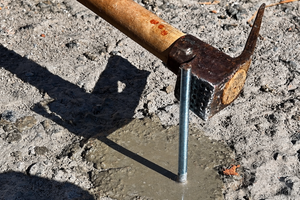
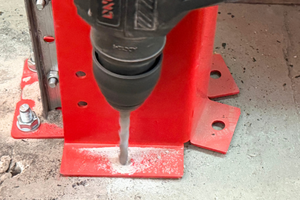
Particular attention should be paid to the reliability of fastening to the concrete base. Installation locations should not violate the integrity of the structure or create a risk of damage to hidden utilities. For fastening to concrete, it is necessary to select appropriate anchor systems taking into account the characteristics of the base and design loads.
You should also consider the operating conditions of the underground parking: high humidity, contact with water, road reagents, and operational contaminants. Properly selected materials and fasteners help ensure the durability of the protective system.
Important: Bumpers reduce the risk of structural damage from accidental contact, but do not replace structural safety elements and specially designed barrier systems. In places where it is necessary to restrain vehicle movement or prevent it from leaving the carriageway, solutions designed for the appropriate loads should be used.
Bumpers complement the comprehensive arrangement of the parking lot: together with a reinforced concrete floor, properly executed expansion joints and protective profiles, they help reduce the risk of mechanical damage and the costs of further maintenance of the facility.
9. Parking lot road marking paint: Teknobond 960
A properly organized parking lot is not only a solid concrete floor and protected structures, but also clear road markings. It helps to distribute parking spaces, indicate traffic directions, pedestrian zones, stop lines and areas with special traffic conditions. For this, it is important to use paint that provides good visibility of the markings and withstands operational loads.
Teknobond 960 — paint for marking concrete and asphalt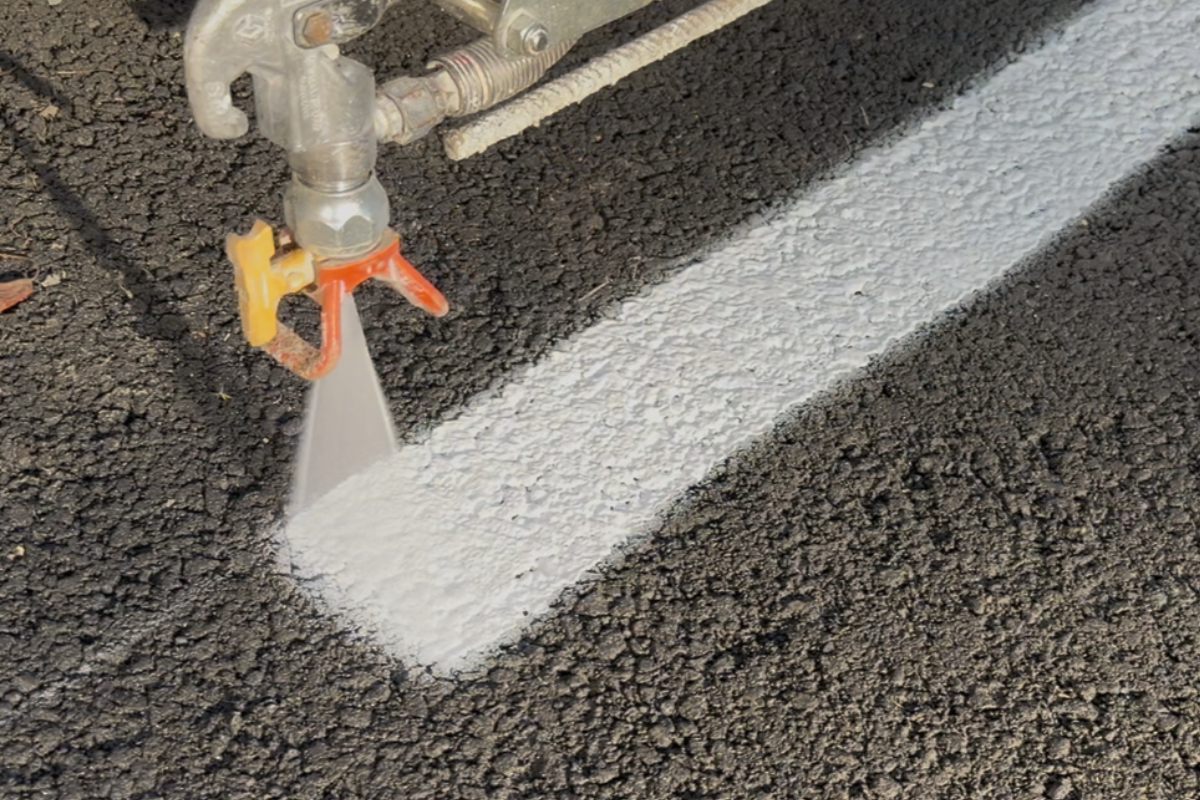
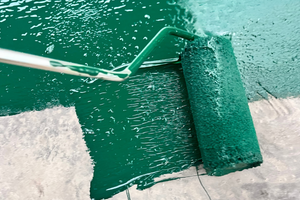
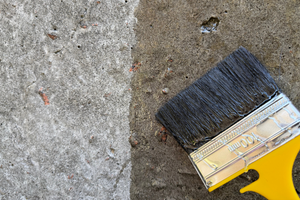
Teknobond 960 is a quick-drying cold-applied road paint based on synthetic resin and solvent. The material is intended for marking concrete and asphalt surfaces, in particular in underground and multi-level parking lots, open parking lots, warehouse complexes and enterprise territories.
Main advantages of Teknobond 960:
Where is Teknobond 960 used in parking lots?
The paint is suitable for applying the main elements of parking space organization:
The color and purpose of each marking element must be determined in accordance with current traffic rules, regulatory requirements, and the traffic organization scheme at a specific facility.
10. Conclusion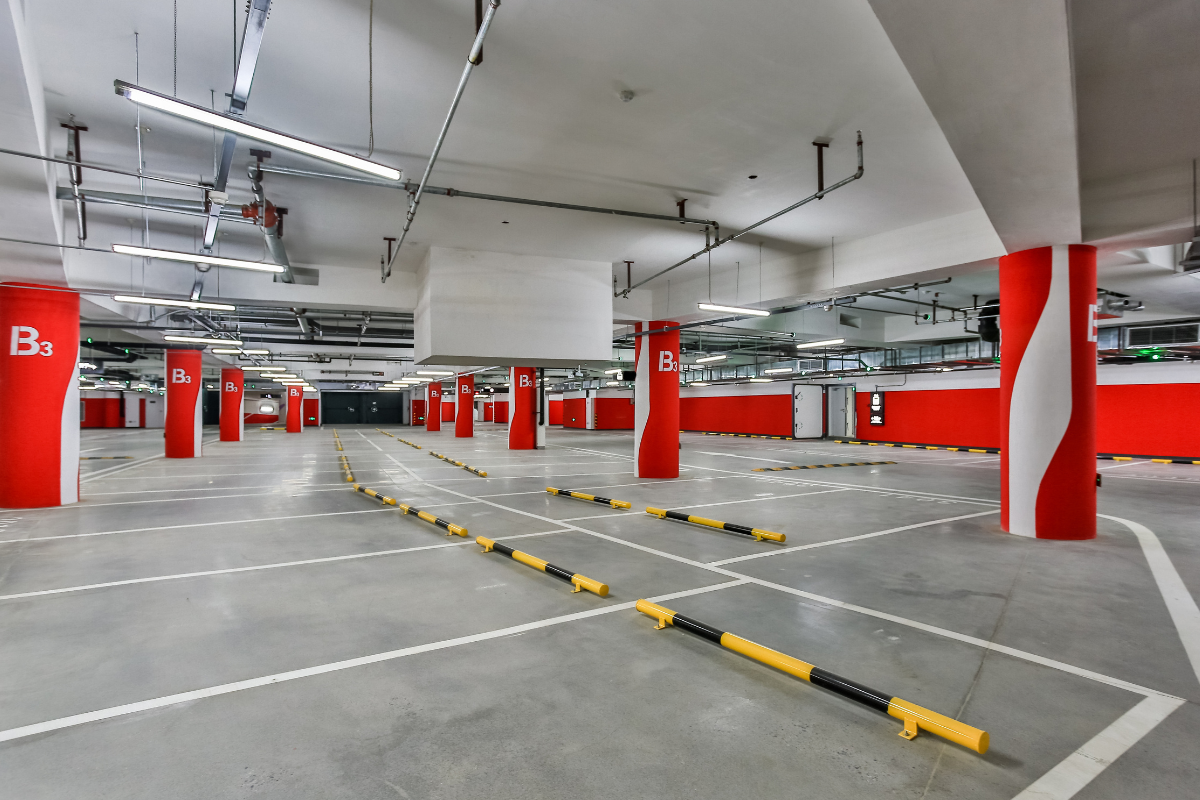
A reliable and durable parking lot begins with a comprehensive approach to the arrangement of the concrete floor and the protection of the structures. In order for the coating to withstand daily traffic loads, it is important to choose the right materials for each stage of the work: from strengthening the concrete to sealing the joints and installing protective elements.
Quartz topping Teknoser 100 and corundum Teknoser 300 help increase the wear resistance of the concrete surface, and Teknokur 100 helps reduce premature moisture loss during concrete hardening. Properly executed shrinkage joints, appropriate Teknopoliderz sealants and expansion joint profiles allow for structural movements and reduce the risk of premature failure of the coating.
It is equally important to take care of protecting columns, walls and parking areas from accidental impacts of cars. For this, appropriate bumpers , wheel stops and protective barriers are provided, which help maintain the integrity of structures and increase the safety of parking operation. And you can apply parking space markings, direction arrows, stop lines, and special parking space markings with a special paint for industrial floors, concrete and asphalt Teknobond 960 .
Teknosel offers comprehensive solutions for the arrangement and protection of parking lots: strengthening of concrete floors, care of fresh concrete, sealing of joints, deformation profiles and materials for the protection of structures. The correct choice of the system, taking into account the design requirements and operating conditions, helps to extend the service life of the parking lot, reduce repair costs and ensure the reliability of the facility for a long time.