Is your roof leaking after rain, is there a crack, damage or leaky joint on the roof? It is not always necessary to completely dismantle the old coating to solve the problem. If the damage is local, in many cases it is possible to repair the roof without completely replacing it, restoring the tightness of the problem area.
Let's consider how to fix roof leaks, how to seal cracks and minor roof damage, and how to simultaneously create an elastic, seamless waterproofing layer on the surface.
This method can be used to repair roofs made of corrugated iron, metal, roofing felt, bitumen materials, and bitumen shingles, provided that the substrate is properly prepared and compatible with the materials.
Why does the roof start to leak?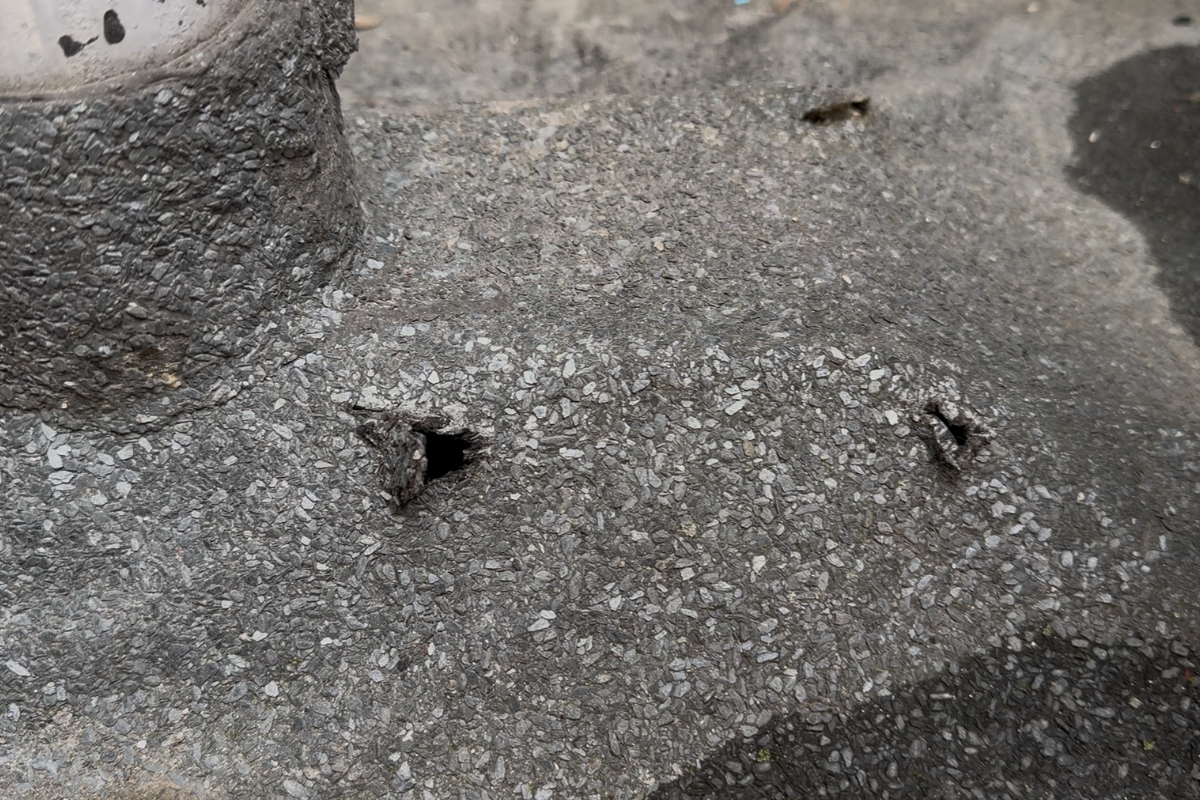
Even a high-quality roof is exposed to constant exposure to the sun, precipitation, frost, and temperature changes over time. Materials heat up and cool down, the structure undergoes temperature deformations, and individual areas can be mechanically damaged.
As a result, the cause of the leak may be:
-
cracks and tears in roofing material;
-
mechanical damage;
-
leaky joints and adjacencies;
-
damage to the old waterproofing layer;
-
local destruction of bitumen or roll coating;
-
corrosion and damage to metal roofing;
-
aging of the material due to prolonged use.
Water finds even small weak spots, so a small crack or leaky joint can eventually cause a serious leak.
How to repair a crack or hole in the roof?
For local repairs, it is important not to simply cover up the damage with mastic. In places where deformation and movement of the structure are possible, it is advisable to additionally reinforce the repair layer with an elastic sealing tape.
Two materials can be used for such repairs:
Teknomer 305 is a ready-to-use, water-based acrylic elastic waterproofing, resistant to atmospheric influences and ultraviolet radiation.
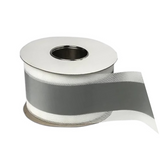
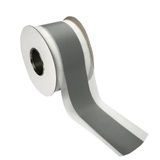
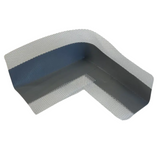
Teknomer sealing tape is an elastic material made of thermoplastic elastomer for reinforcing and sealing problem areas.
This combination allows not only to cover the damage site, but also to form an elastic waterproofing unit.
How to repair a roof with your own hands
Before starting the repair, the surface must be properly prepared. The base must be strong, clean and suitable for applying waterproofing. Dust, dirt, peeling and weak parts of the old coating must be removed. On metal surfaces, special attention should be paid to areas with corrosion.
After preparation, you can proceed directly to sealing.
1. Apply the first layer of waterproofing
Teknomer 305 waterproofing mastic is ready to use. The material must be mixed thoroughly before application.
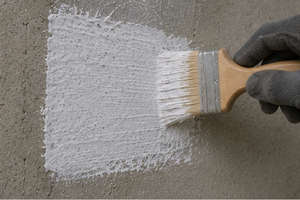
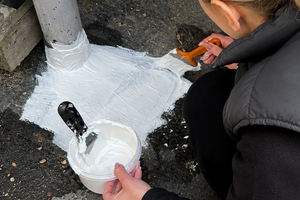
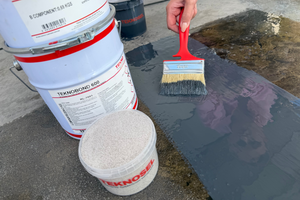
Apply a thick layer of waterproofing to the area around the crack, joint, or other damage using a brush or suitable tool.
It is important to treat not only the crack itself, but also a sufficient area around it to create a complete repair area.
2. Reinforce the damage with sealing tape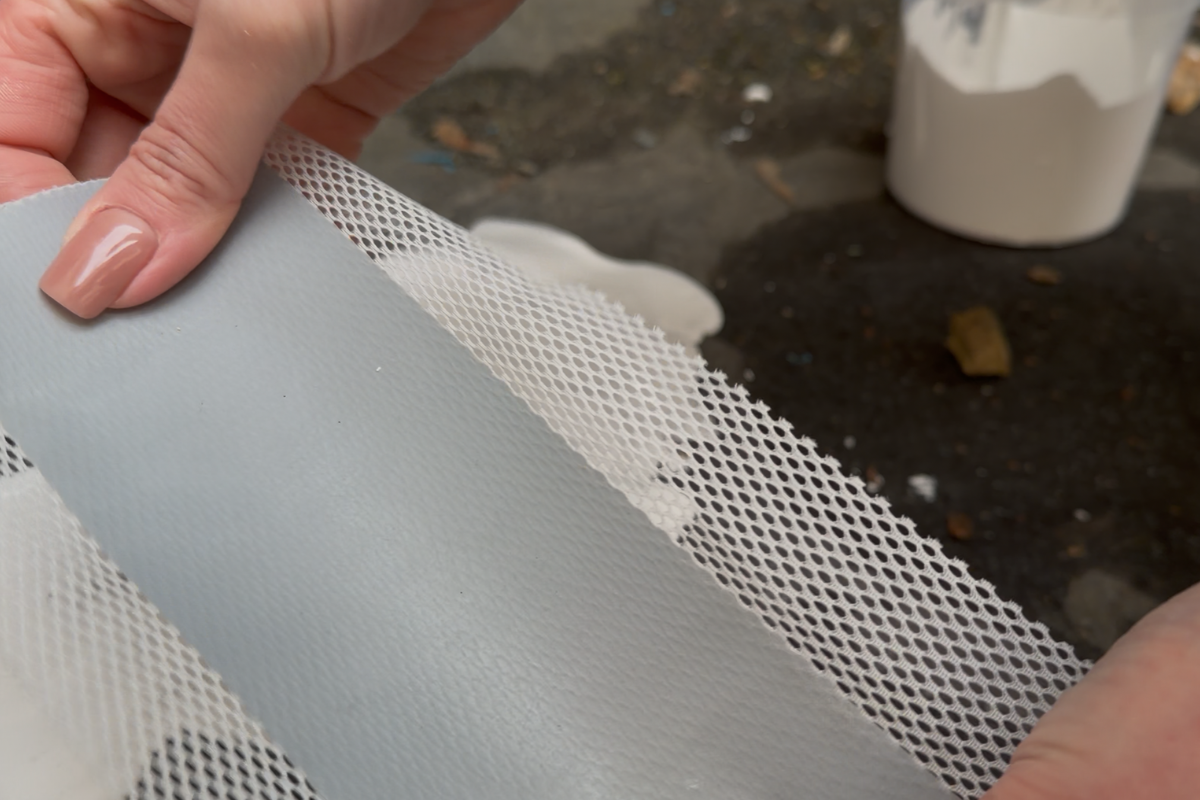
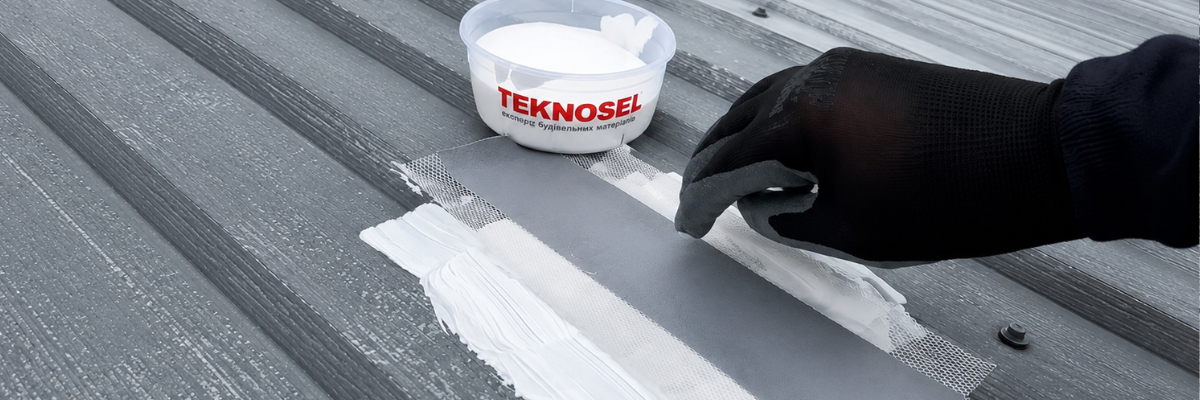
We insert Teknomer elastic sealing tape into the fresh first layer of waterproofing .
The tape is made of thermoplastic elastomer and has high tear resistance. It allows for additional reinforcement of the problem area and is used to seal cracks up to 7 mm wide.
The tape must be pressed well against the first layer of material so that it adheres properly to the surface.
3. Cover the tape with waterproofing
After laying the tape, it is carefully covered with the next layer of Teknomer 305 .
As a result, the tape remains inside the system and works as an elastic reinforcement of the repair area.
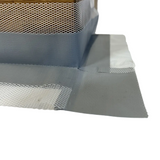
In this way, cracks, joints, adjacencies, and local mechanical damage to the roof can be sealed.
How to repair a corrugated iron roof
One of the common problems with metal roofing is leaks at joints, fasteners, or mechanical damage to the sheet.
If a corrugated roof is leaking, before repairing it, it is necessary to determine the exact location of water penetration and check the condition of the metal.
After surface preparation, the damaged area can be sealed with a system of elastic mastic and reinforcing tape.
This is especially true for areas where simply applying mastic is not enough due to possible temperature deformations of the metal.
Repair of roofing felt and bitumen roof
Roofing material and old bitumen coatings can lose their elasticity over time. Cracks, tears, and other defects appear on the surface, through which water penetrates under the roofing material.
If the underlying coating is still serviceable, local damage can be repaired without completely replacing the roof.
The problem area is cleaned, weak and flaked fragments are removed, and then sealing is performed with tape reinforcement.
It is especially important to first make sure that the old coating is firmly attached to the base: applying new waterproofing over material that is already peeling will not restore its adhesion to the roof.
How to repair bitumen shingles
Local cracks, tears, and mechanical damage can also occur on bitumen shingles.
If a small fragment is damaged, and the roof itself remains in satisfactory condition, the problem area can be locally sealed.
Before work, you need to check the condition of the tiles and the base, clean the surface and only then apply the repair system.
If a significant portion of the shingles is deformed, peeled off, or the base underneath is damaged, local sealing will not replace a full roof repair.
Not just repairs: how to update an old roof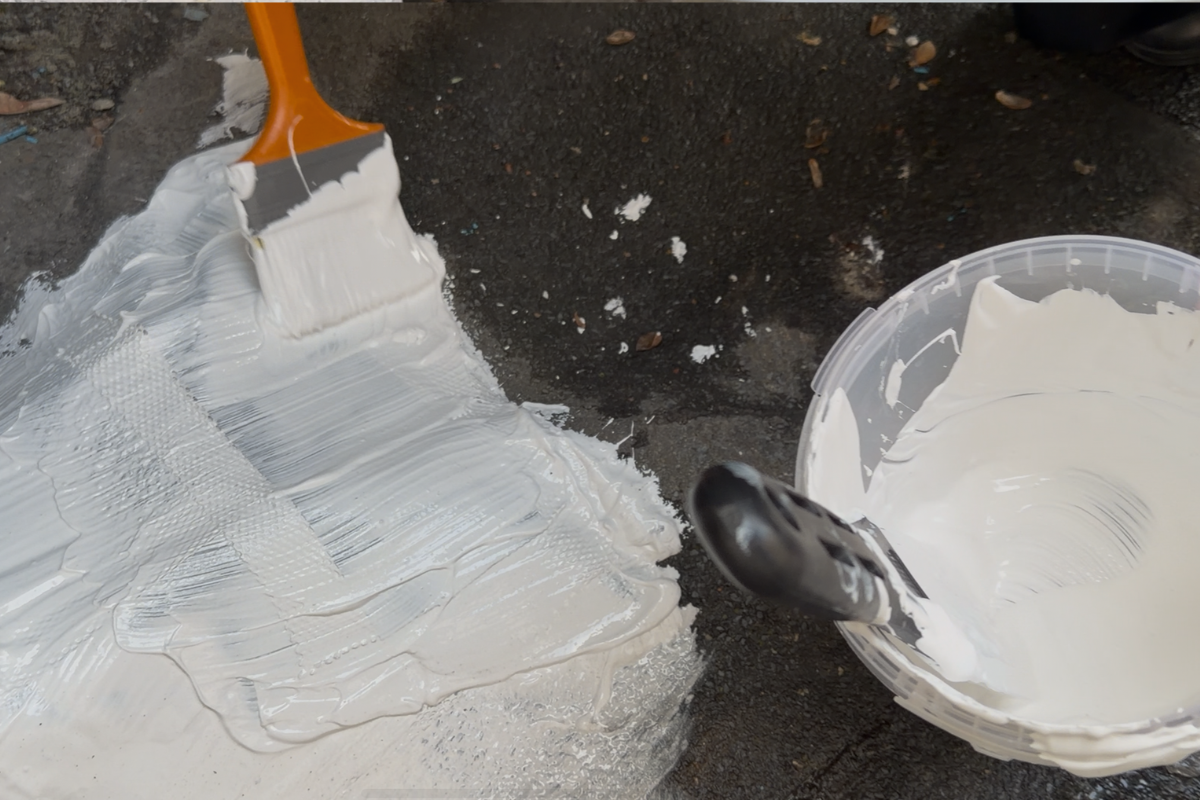
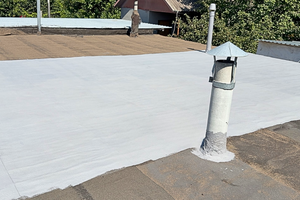
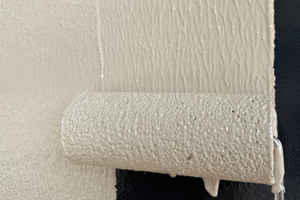
Teknomer 305 can be used not only for local sealing of damages, but also to create a continuous waterproofing coating.
This allows you to solve several tasks at once: repair problem areas, protect the surface from water, and update the appearance of the roof.
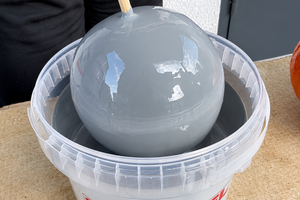
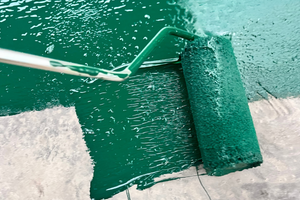
If the standard white color is not suitable, acrylic waterproofing can be colored with a compatible water-based acrylic dye. The dye is added to the material and mixed thoroughly until a uniform color is obtained.
After local repair, the prepared surface can be covered with waterproofing, forming a continuous seamless membrane that is resistant to ultraviolet radiation and weathering.
Roof repair: 3 in 1 result
Using waterproofing mastic together with sealing tape allows you to obtain three results at once:
-
Repair damage - cracks, joints and local defects.
-
Update the appearance of the roof - if necessary, the waterproofing can be colored.
-
Create a seamless waterproofing layer - without a large number of additional joints and seams.
Such repairs are especially relevant when it is necessary to eliminate local roof leaks and extend the service life of the existing coating without completely replacing it.
What to do if the roof leaks?
The first thing you need to do is find the cause of the leak. Don't just apply sealant to the entire surface without identifying the source of the problem.
Check joints, adjacencies, fastenings, communication points, cracks and mechanical damage. If the base remains strong, the defect can be locally repaired, and if necessary, additionally perform continuous waterproofing of the surface.
For repairs, you can use Teknomer 305 acrylic waterproofing in combination with Teknomer sealing tape , creating an elastic reinforced layer in the most problematic areas.
This approach helps solve one of the most common problems of old roofs — leaks through cracks, joints, and local damage — without completely replacing the roofing material, if the condition of the structure itself allows for local repairs.
Roof repair materials
Acrylic elastic waterproofing Teknomer 305
Ready-to-use water-based waterproofing mastic for creating an elastic protective coating.
Teknomer sealing tape
Elastic tape made of thermoplastic elastomer for reinforcing cracks, joints and other problem areas.