Looking for a way to strengthen, dedust, and protect your concrete floor? Epoxy flooring with quartz sand is one of the best solutions for garages, warehouses, workshops, service stations, manufacturing facilities, and commercial properties.
This coating does not collect dust, is not afraid of water and moisture, is resistant to mechanical stress, is easy to clean and lasts for years even under conditions of intensive use.
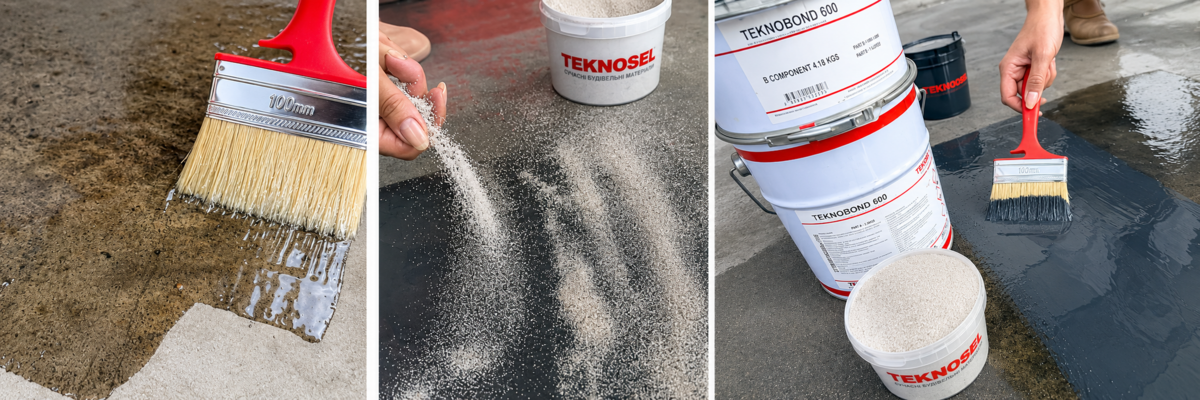
In this article, we will look at the technology for installing an epoxy floor with your own hands using Teknobond 300 epoxy primer, quartz sand, and Teknobond 600 epoxy paint.
Why epoxy flooring with quartz sand?
Unlike conventional concrete painting, the quartz sand system creates a reinforced surface layer that:
✔ strengthens the concrete base;
✔ provides high adhesion between layers;
✔ reduces the risk of slipping;
✔ increases the wear resistance of the coating;
✔ prevents concrete dusting;
✔ protects against water, oils and household chemicals;
✔ withstands intense mechanical loads.
That is why such a system is widely used in industrial facilities, warehouses, parking lots, and garages.
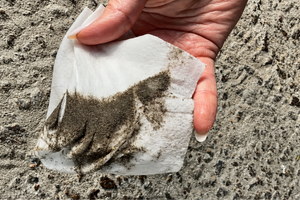
Step 1. Preparing the concrete base
The quality of the future floor depends on 80% on the correct preparation of the surface.
Before applying materials, the concrete must be:
If necessary, we repair the surface using Teknorep repair mixtures.
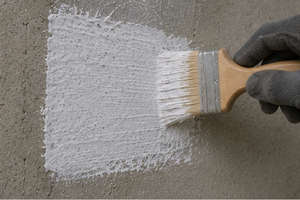
Step 2. Priming with Teknobond 300 epoxy primer
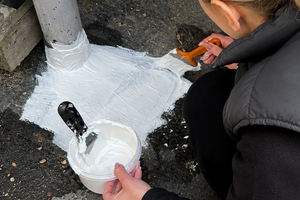
The next step is to apply the two-component epoxy primer Teknobond 300.
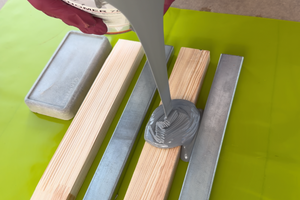
The material consists of a base and a hardener, which are thoroughly mixed with a low-speed mixer.
After applying primer: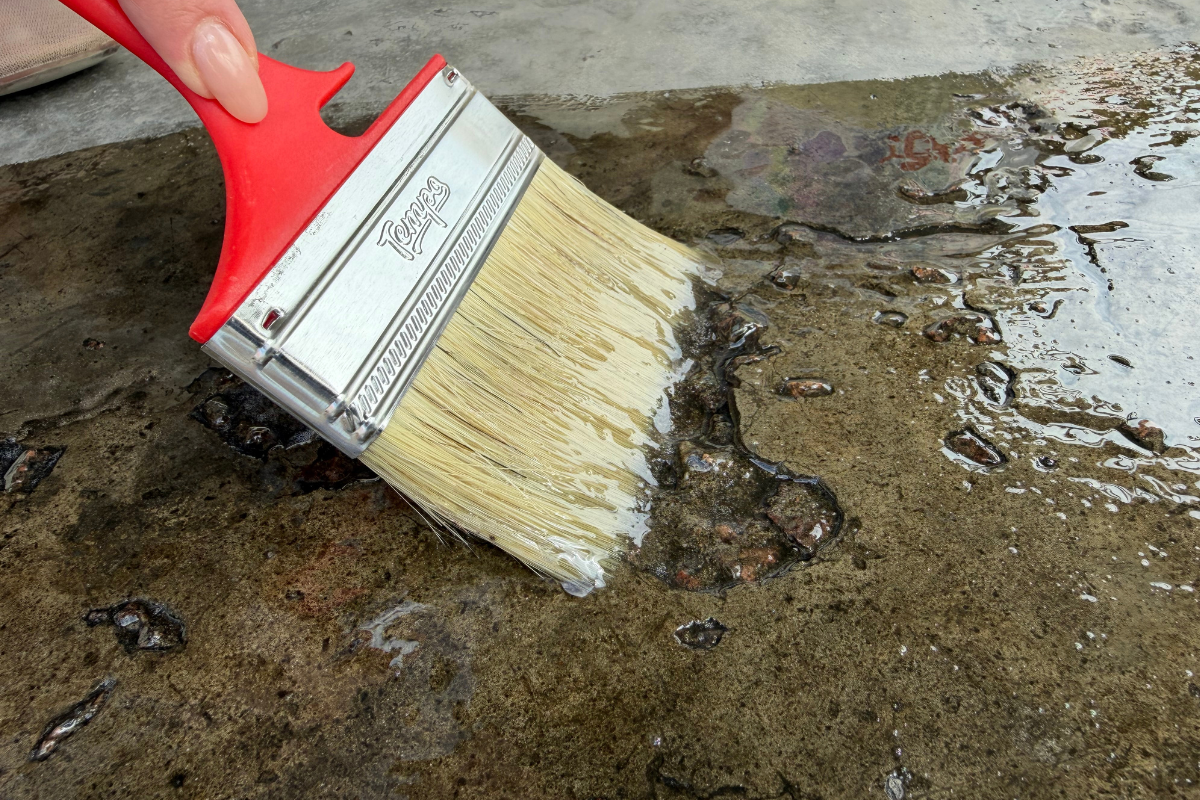
It is this stage that ensures the durability of the entire coating system.
Step 3. Spreading quartz sand
While Teknobond 300 remains fresh, the surface is generously covered with dry quartz sand.
Quartz sand performs several functions at once:
After complete drying, excess quartz sand is removed with a vacuum cleaner or brush.
Step 4. Painting with Teknobond 600 epoxy paint
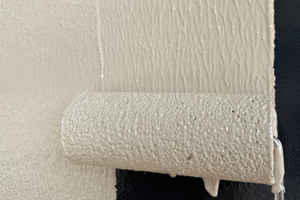
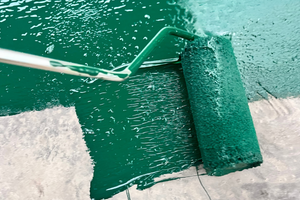
Two-component epoxy paint Teknobond 600 is applied to the finished quartz soil.
The material forms a durable seamless coating with high chemical and mechanical resistance.
Advantages of Teknobond 600:
✔ high compressive and abrasion resistance;
✔ water resistance;
✔ resistance to oils and technical fluids;
✔ ease of cleaning;
✔ wide selection of colors according to the international RAL palette.
Our example uses the popular industrial color RAL 7024.
Alternative system for maximum protection
For facilities with increased loads, another technology can be used.
After priming: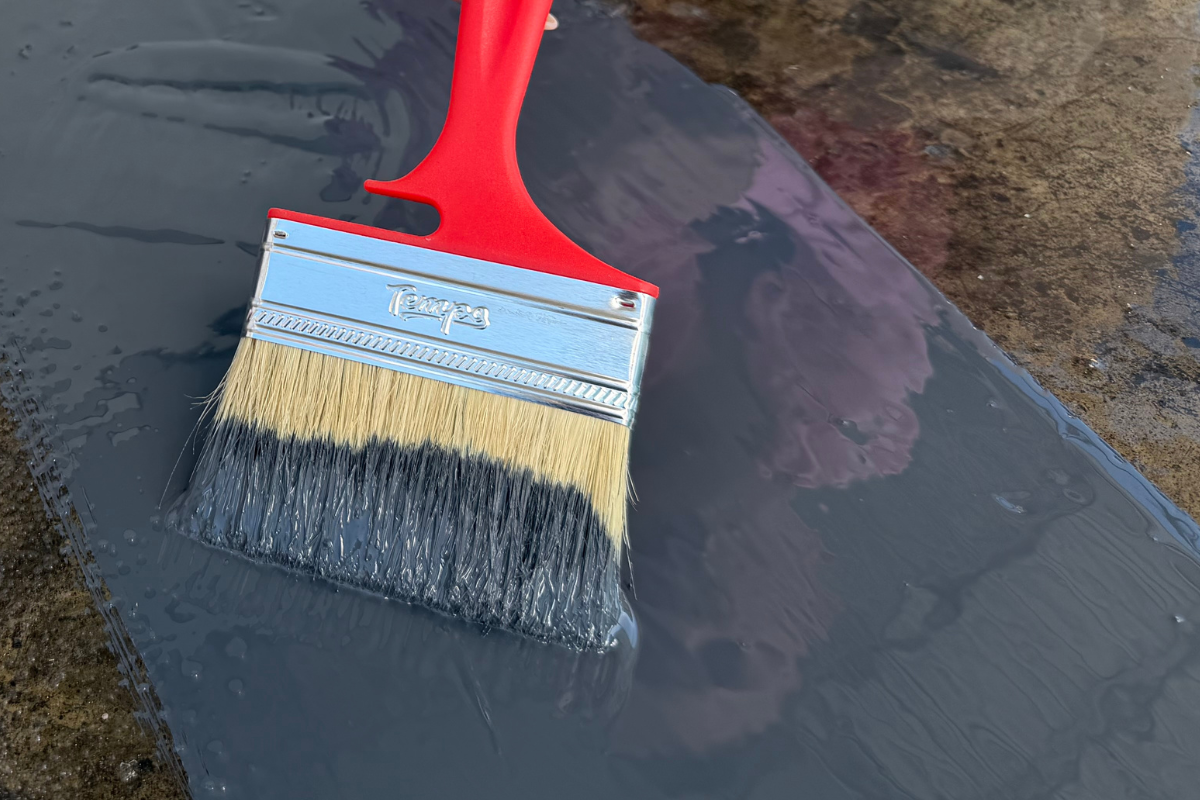
-
The first layer of Teknobond 600 is applied.
-
Pouring with quartz sand is performed.
-
A second finishing coat of epoxy paint is applied.
The result is an even stronger anti-slip system that is perfect for warehouses, factories, service stations, and parking lots.
Where are epoxy floors used?
Epoxy coating with quartz sand is suitable for:
Result
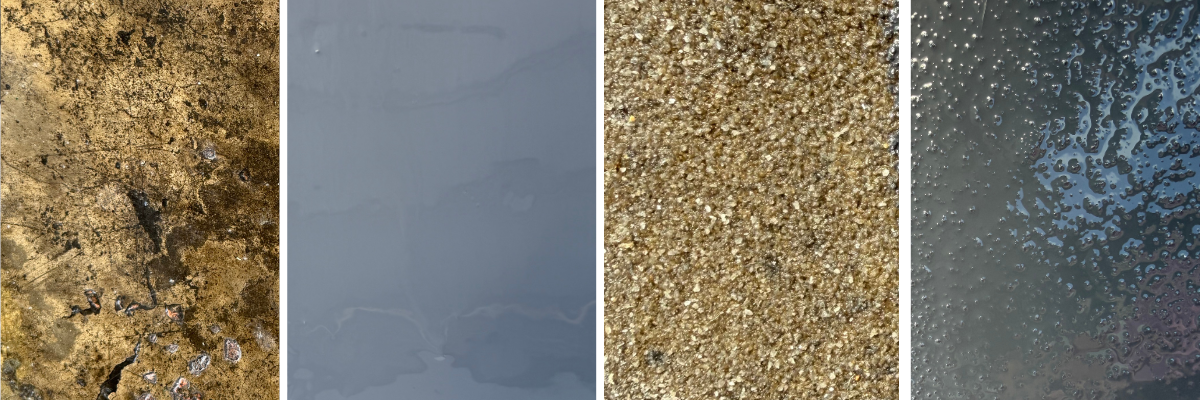
After the work is completed, you receive a professional industrial floor that:
✔ does not dust;
✔ does not absorb water;
✔ easy to clean;
✔ withstands heavy loads;
✔ has an attractive appearance;
✔ lasts for many years without repair.
That is why the Teknobond 300 + quartz sand + Teknobond 600 system is one of the most popular solutions for protecting concrete floors.