





|
Quantity
|
Total
|
||
|
|
|||
|
|
|||
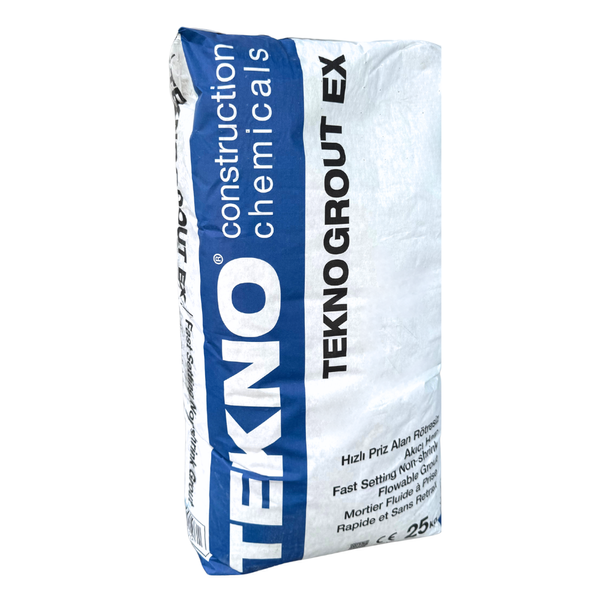
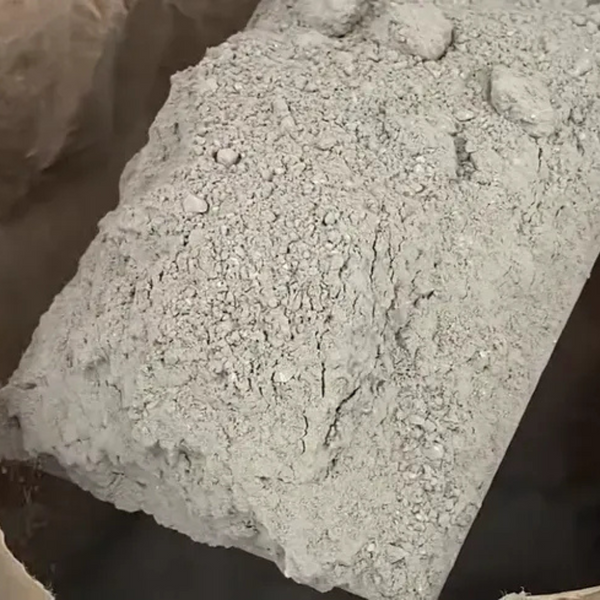
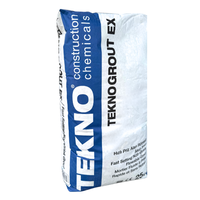
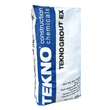
Teknogrout EX is a self-leveling, one-component, non-shrinking mixture with high adhesion to concrete and metal.
Scope:
Advantages
Instructions for use
- The surface must be clean, smooth, and solid. Make sure that the surface is free of foreign matter, oil, rust, detergents, and waste. If there are cracks or other damage on the surface, they must be sealed with Teknorep 300 and Teknorep 300EX repair mortars. Use Teknogrout EX 3-4 days after repairing the surfaces.
- To prepare the working solution for one package (25 kg bag), 4-6 liters of water are required. Pour clean tap water into the prepared container in the recommended minimum amount. Turn on the mixer and slowly add the dry mixture without interruption. Mixing is carried out at low speed (400-500 rpm) for 1 minute until a homogeneous mixture without lumps is obtained.
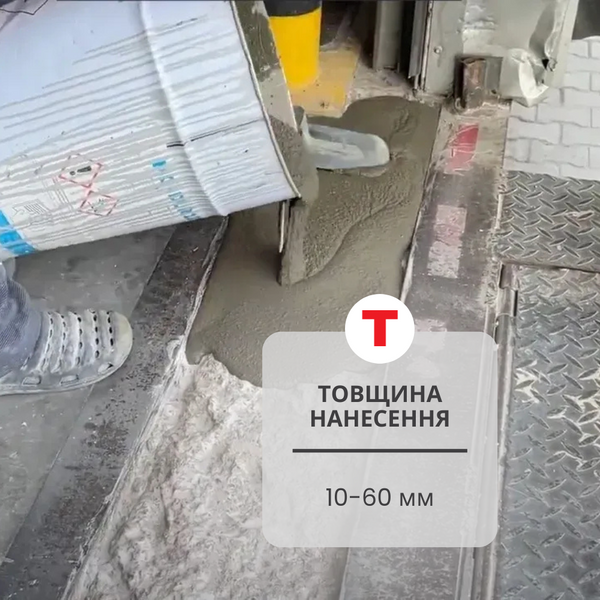
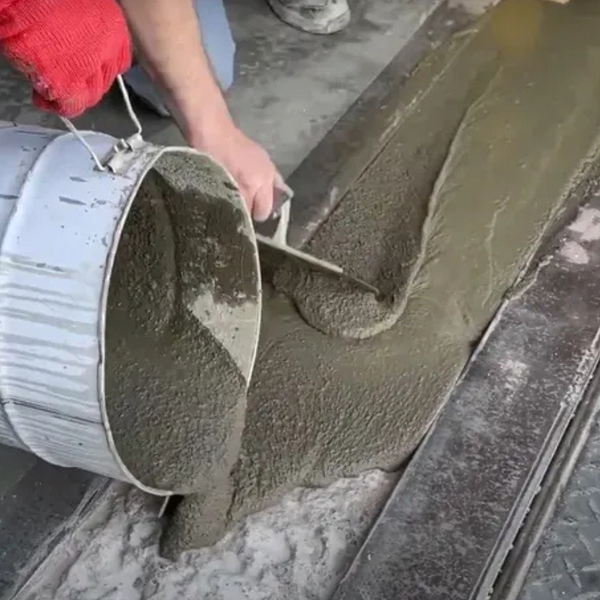
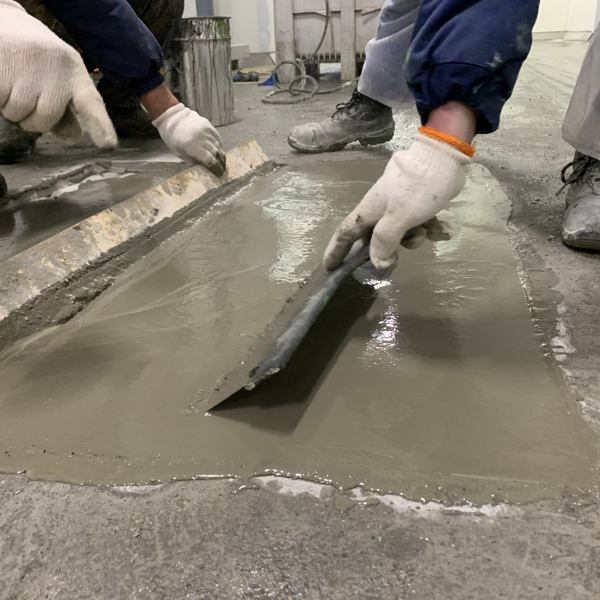
- The finished mixture should be applied evenly to the surface within 5-20 minutes, depending on the ambient temperature. The mixture should be poured from one side, while evenly distributing it over the surface to prevent the formation of voids and accelerate the filling of the required space. The height of the pouring layer should be from 10 to 60 mm. If it is necessary to pour a layer of more than 60 mm, it is recommended to add fillers 5-12 mm long to the solution, at the rate of 30% of the total amount of the mixture. The filler is added to the previously prepared solution until a homogeneous mixture is obtained within 3-5 minutes.
- The prepared formwork must be strong, solid, airtight and securely fastened. Before pouring the mixture, the wooden formwork boards must be treated with formwork grease.
Recommendations for use
FEATURES
| Color | Gray |
| Expiration date | 12 months in closed original packaging |
| Packaging | 25 kg bag |
| Mixture granule size | ≤3 mm |
| Application temperature | (5 °C) - (35 °C) |
| Ratio of mixture components | 4-6 l water / 25 kg powder |
| Mixture life | ≤ 30 minutes |
| Density of the solution | 2.3 ± 0.1 kg/l |
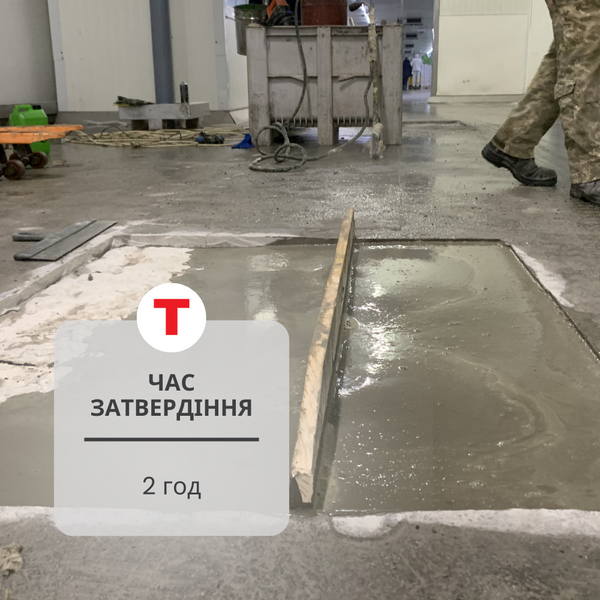
| Curing time | 2 hours |
| Application thickness | 10-60 mm |
| Flexural strength (28 days) | 9.0 N/mm2 |
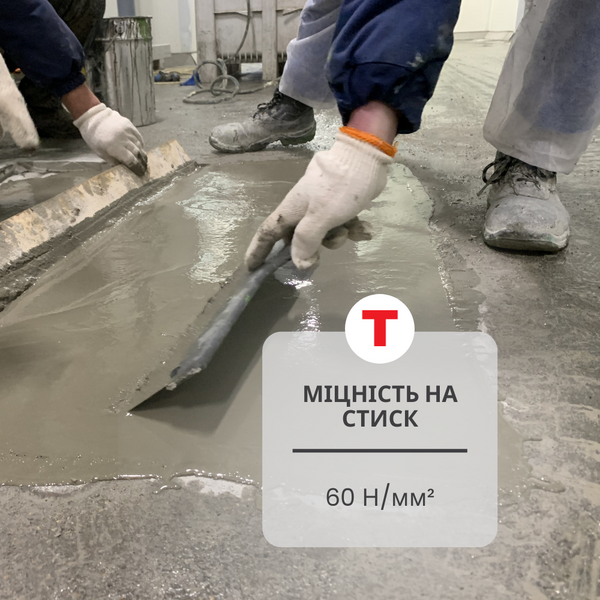
| Compressive strength (28 days) | 60.0 N/mm2 (TS EN 1996) |
| Adhesion strength (28 days) | 2 N/mm2 (TS EN 542) |
| Capillary water absorption (28 days) | 0.5 kg/(m2×h) (TS EN 3057) |