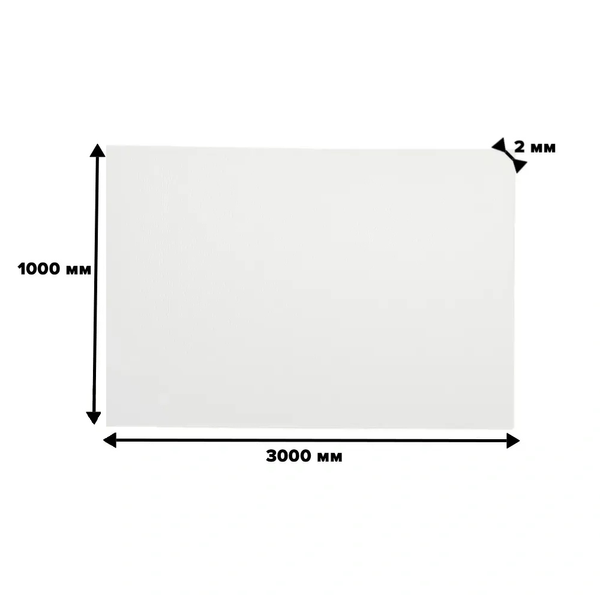
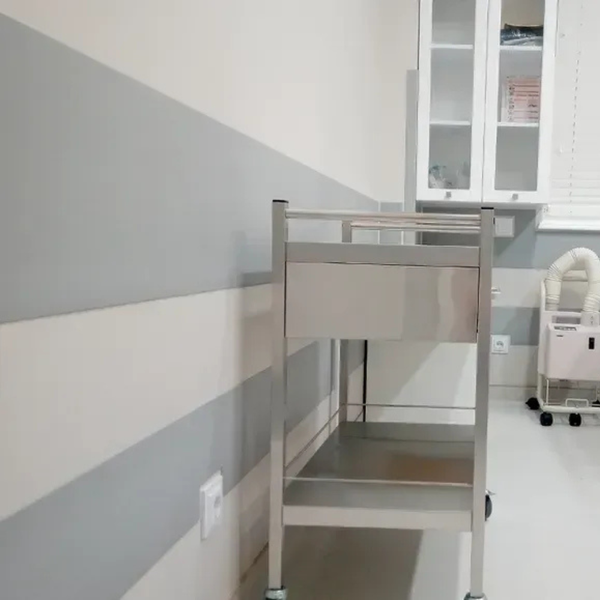
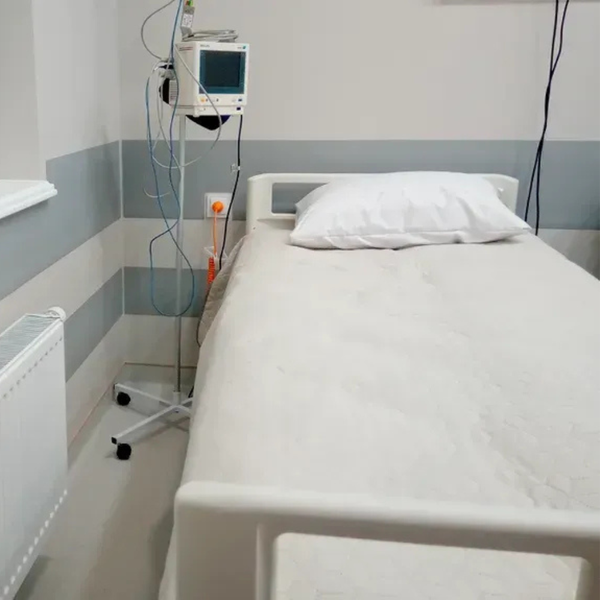
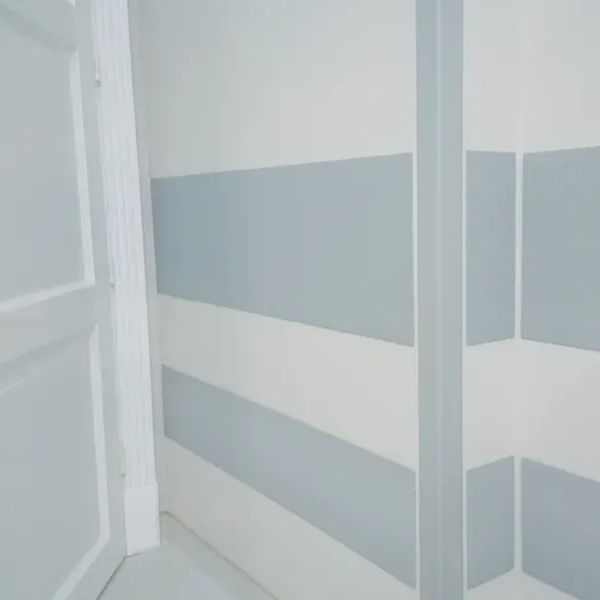
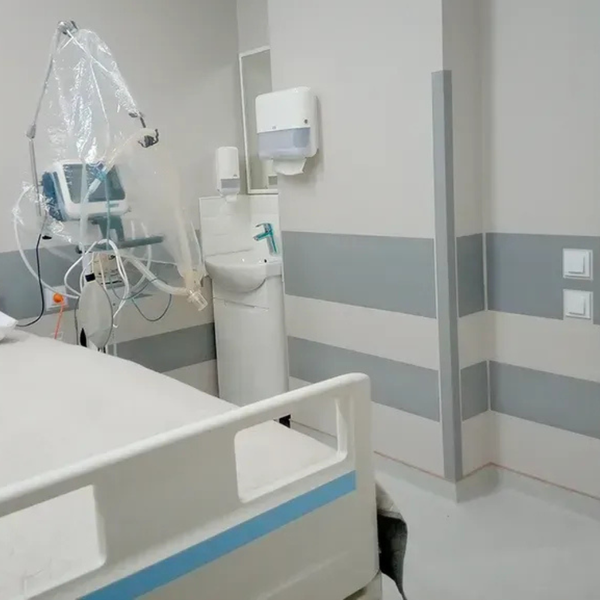
WG 1004 vinyl panels for protecting walls from scratches and impacts are often used in commercial and industrial areas such as hospitals, schools, offices and warehouses. They can also be useful in the home, especially in areas where there is a high risk of damage to the walls (such as the garage or kitchen).
Advantages of vinyl panels:
- Strength and durability: Vinyl is resistant to impacts, scratches, and moisture, making it a long-lasting material for wall protection.
- Ease of installation: Vinyl panels are generally easy to install, requiring minimal skills and tools.
- Cost-effectiveness: Compared to other materials such as wood or metal, vinyl is generally more cost-effective.
- Design variability: There are many color and texture options that allow you to integrate vinyl panels into different interiors. We can produce any color according to the RAL table when ordering from 200 m. p.
- Hygienic and easy to care for: Vinyl is easy to clean and disinfect, making it ideal for places where high standards of hygiene are required.
Installing vinyl panels is relatively simple and may include the following steps:
- Determine the installation height of the wall covering.
- Wall preparation: removal of old facing materials, priming and leveling the surface.
- Measurement and marking: accurate measurements and marking for correct panel distribution.
- Trimming panels: if you need to trim the bumper, use a jigsaw or a construction knife and a metal ruler (square).
- Make sure the wall is dry and clean.
- Remove all irregularities in the wall for best results.
- Mounting: panels can be mounted to the wall using glue, screws or special fasteners.
- Before applying the glue, wipe both sides of the bumper to make sure the surfaces are free of dust and dirt.
- Apply glue only to the wall surface. It is recommended to use Tekno PU liquid nails glue.
- Allow the glue to cure, which should take 10 to 15 minutes under normal conditions. However, the curing time will vary depending on temperature and humidity.
- Important: carefully read the instructions for using the glue before starting work.
- Place the bumper sheet on the wall, align and press it into place by hand.
- Roll the bumper strip using a pressure roller. Start rolling in the center of the sheet and work your way out to the edges. After installation, remove any excess adhesive.
With proper installation and care, vinyl panels can last a long time, effectively protecting walls from damage.